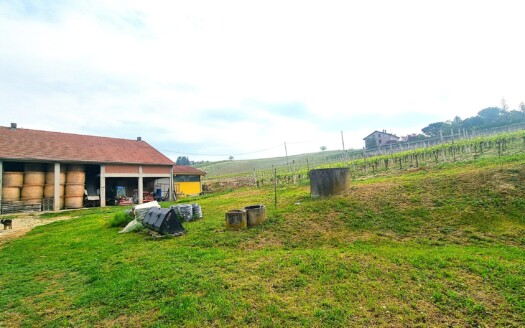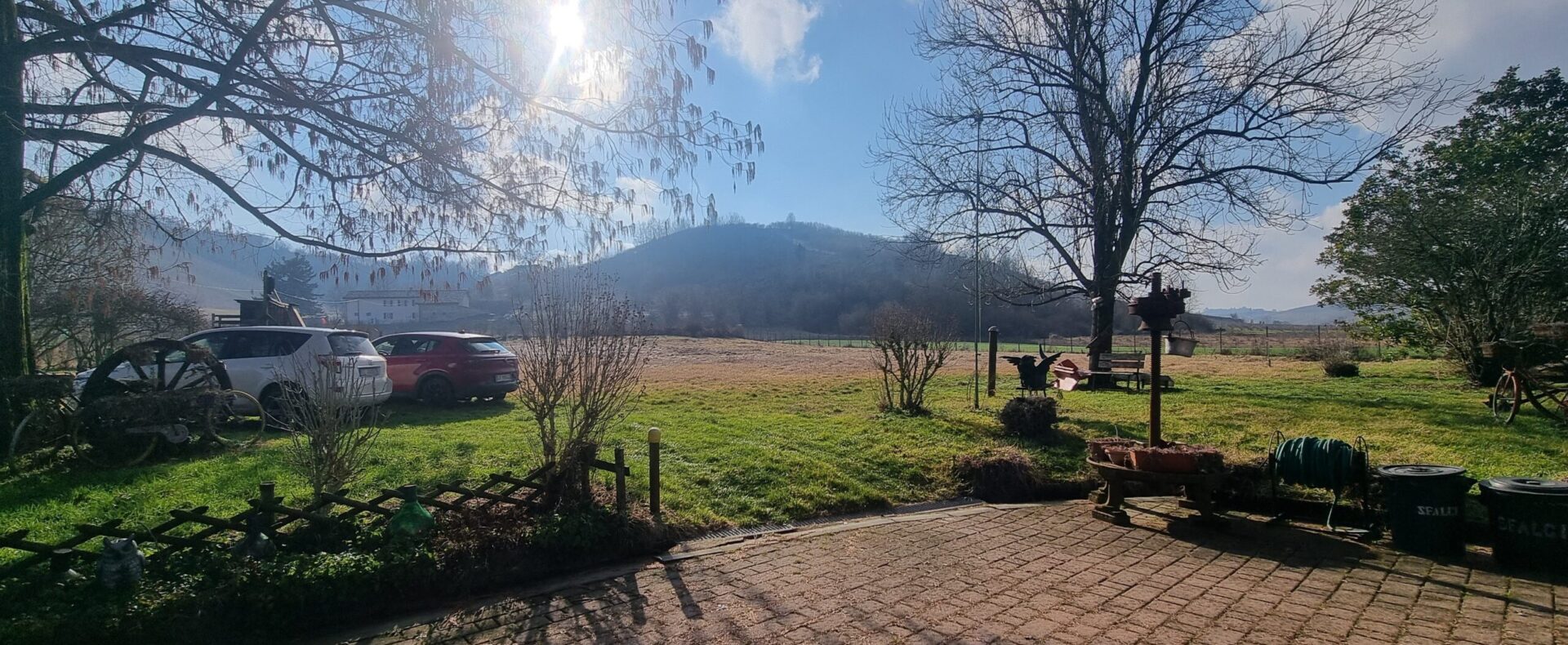
Winter in Monferrato: An Honest Guide for Prospective Property Buyers
Most people discover Monferrato in its best seasons — the spectacular autumn of the harvest and truffle season, the green warmth of summer, the flowering vines of spring. Winter is different, and it needs to be understood before you commit to buying a property here. This is not a guide designed to frighten you away from winter in Monferrato — many people who live here love it as their favourite season. But it is an honest account of what winter actually involves, written for buyers who are making a decision based largely on summer and autumn visits.
VerdeAbitare consistently recommends that buyers visit Monferrato in January or February before completing a purchase — not because winter will necessarily deter them, but because it provides the most honest picture of what year-round life in the territory involves.
The Climate: Cold, Fog and Occasional Snow
The Monferrato climate in winter is continental — significantly colder than the Italian coast or even Tuscany. January and February temperatures regularly drop below zero at night, with daytime temperatures of 2-8°C being typical. Frost is common and can make hillside roads hazardous. Snow falls several times most winters — usually light accumulations of 5-15cm that clear within a day or two — but occasional heavier snowfalls can isolate more remote farmhouses for a day or two.
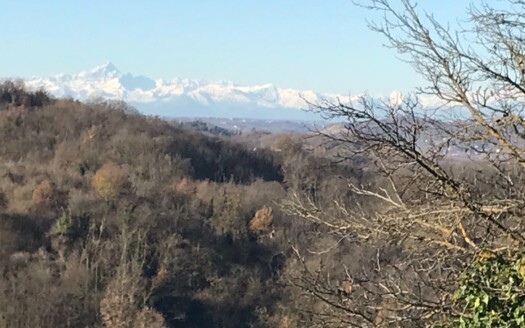
The fog — the characteristic nebbia of the Piedmontese plain and lower hills — is a significant winter feature. On foggy days, which can occur frequently in November through January, the valleys fill with dense mist while the hilltops remain above the cloud in clear sunlight. The visual effect — emerging from grey fog onto a sun-bathed hillside with the white Alps gleaming to the north — is genuinely beautiful. But fog also reduces visibility on roads, slows travel and creates a particular atmosphere that some people find atmospheric and others find oppressive.
The Roads in Winter: A Practical Consideration
The secondary roads of the Monferrato hills are generally well-maintained but can become dangerous in icy conditions. Property buyers who are considering a farmhouse accessed by a steep or winding private road should think carefully about winter accessibility. A road that is a pleasant drive in September can be challenging in January without appropriate tyres and vehicle. All-season or winter tyres are strongly advisable for year-round residents; four-wheel drive is recommended for properties with particularly steep or exposed access.
Winter Life in the Villages: Quiet but Genuine
The villages of Monferrato in winter return to their own rhythms, undisturbed by tourists or seasonal visitors. The bar in the morning is populated by the same faces every day — the retired farmer, the builder, the winemaker checking the fermentation temperatures in his cellar. The conversations are in Piedmontese dialect as much as Italian. The village square is quiet in the evenings, the restaurants serve their regular customers, the weekly market continues with less abundance but more authenticity than in summer.
For residents who appreciate this rhythm — who find the quiet and the local character of winter life more authentic and more rewarding than the bustle of tourist season — winter in Monferrato is deeply satisfying. For those who need stimulation, social activity and warmth, it requires adjustment and preparation. The social isolation of a remote farmhouse in a foggy January can be challenging for anyone who has not lived in rural Italy before.
The Heating Question: Critical for Older Properties
Heating is the most practically important aspect of winter life in a Monferrato farmhouse. The thick stone or brick walls of historic farmhouses have good thermal mass but poor insulation — they are slow to warm and slow to cool. A farmhouse with an old oil-fired heating system and no insulation can be expensive to heat in winter: oil consumption of 3,000-4,000 litres per heating season is not unusual for a large, poorly insulated cascina.
Modern heating solutions — heat pumps combined with underfloor heating, pellet boilers, high-quality insulation of walls and roof — can reduce heating costs by 60-70% compared to old oil systems. If you are renovating a Monferrato farmhouse, investing in a modern heating system and good insulation is not an optional upgrade — it is the difference between comfortable and affordable winter living and an expensive, cold struggle.
Truffle Season: Winter’s Great Gift
The white truffle season extends into December, and for the first weeks of winter the territory is still buzzing with the energy of the harvest and the truffle fairs. This transition period — October through December — is in many ways the most intense and rewarding of the year. Then in January the truffle season ends, the fairs close and the territory settles into its true winter character. Black truffle season continues through winter and into spring, maintaining a lower-level gastronomic interest.
Wine and Food in Winter: The Indoors Season
Winter in Monferrato is the season for the deep, hearty Piedmontese cuisine — bollito misto, brasato al Barolo, polenta with game, bagna cauda (the anchovy and garlic fondue that is the quintessential winter convivio of Piedmont). These are dishes built for cold weather, designed to be eaten slowly around a table with good company and good wine. A Barbera d’Asti or a Ruché aged for a couple of years is the natural partner.
The wine cellars of Monferrato — the historic underground spaces beneath the farmhouses and village houses — maintain a constant temperature of 12-14°C year-round, making them ideal for wine storage and, for some producers, for the ageing of long-lived wines. The cellar becomes a gathering place in winter — for tastings with friends, for the first inspection of the new wine, for the quiet pleasure of choosing the evening’s bottle.
Should You Visit in Winter Before Buying?
Yes — unequivocally yes. A visit to Monferrato in January or February, staying for several nights rather than a day trip, is the most honest preparation for a purchase decision. Drive the roads in winter conditions. Walk in the fog. Experience the quiet of the villages in the evening. Eat the winter cuisine in a local trattoria. Talk to year-round residents about what they love and what they find difficult.
VerdeAbitare is happy to organise property viewings in winter — and we positively encourage it. Buyers who arrive having only seen Monferrato in its finest seasons occasionally discover that winter is not for them, which is valuable information to have before rather than after completing a purchase. Buyers who arrive in winter and find that they love it — as many do — have a much more confident foundation for their decision.
Winter in Monferrato: A Season for the Right Buyer
Winter in Monferrato is not for everyone, and there is no point pretending otherwise. It requires warmth (both physical and social), resources to heat and maintain a farmhouse properly, and a genuine appreciation of the slower, quieter, more inward-looking rhythm of rural Italian life in the cold months.
For buyers who have these qualities — and many do — winter in Monferrato is not a compromise or a limitation. It is one of the deepest pleasures the territory offers: the fog lifting to reveal snow-covered hills, the warmth of a well-heated farmhouse, a glass of Barbera and the silence outside.
Read also
→ Living in Monferrato as an Expat
→ Truffle Season in Monferrato
→ Buying Property in Monferrato: Complete Guide
→ Renovating a Farmhouse in Piedmont
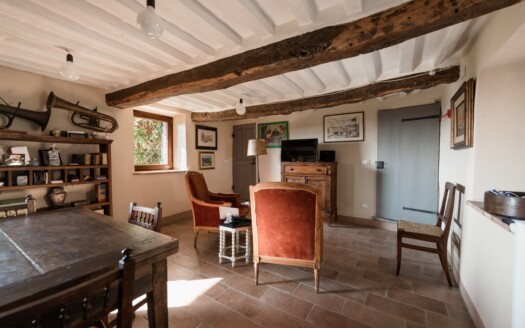
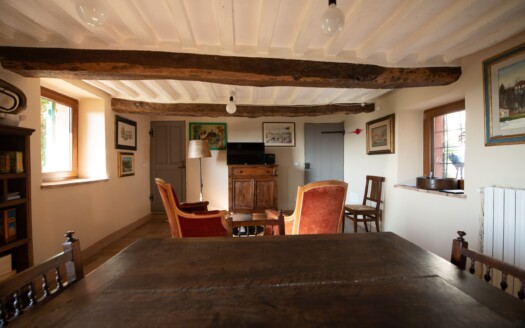
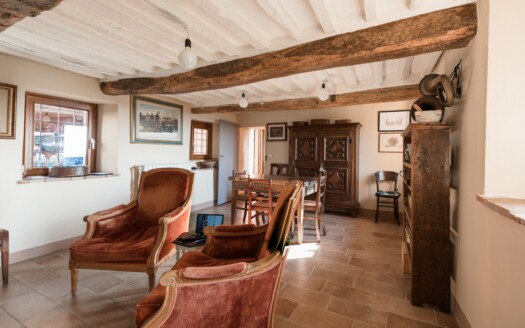
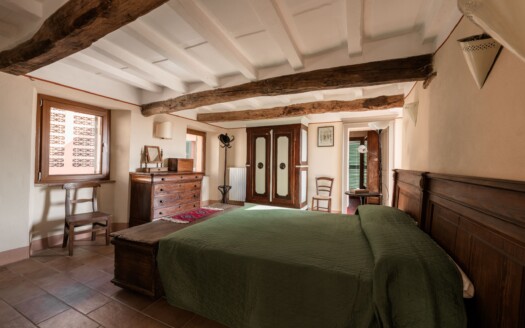
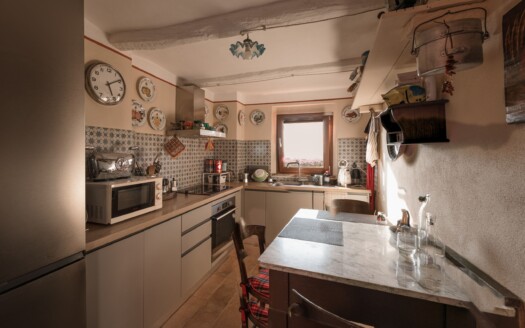
REF 621 Eccezionale proprietà in posizione strepitosa
Nizza MonferratoNel centro storico di una nota località a pochi km da NIzza Monferrato, in vendita favolosa proprietà composta da due abitazioni distinte,…
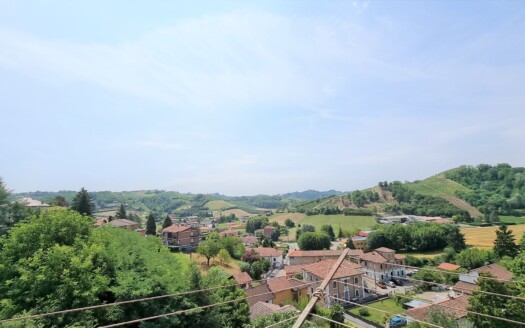
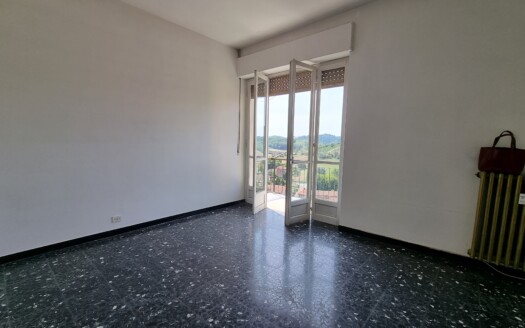
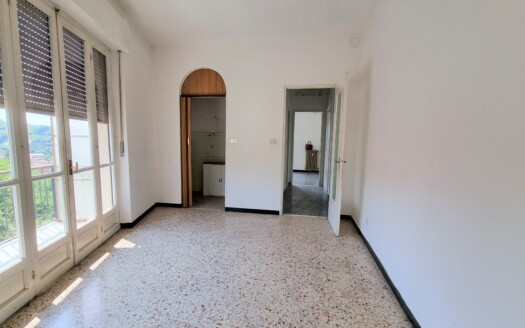
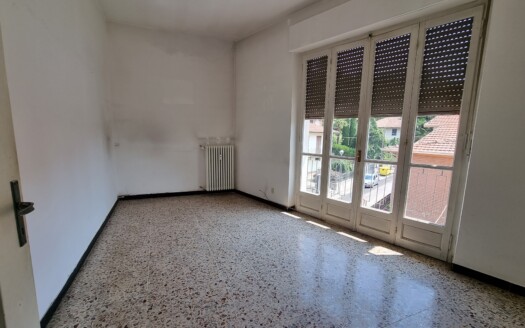
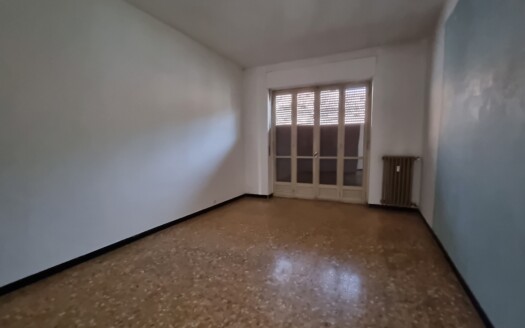
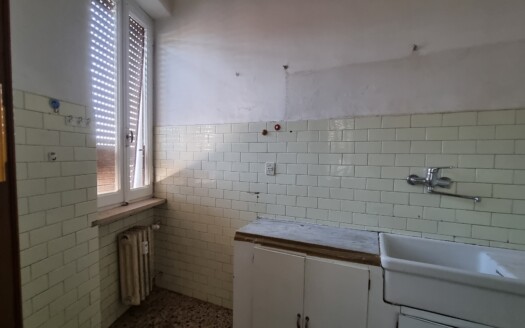
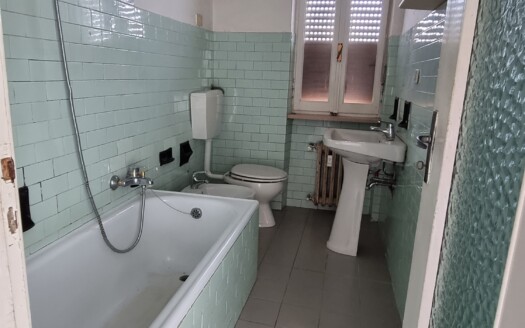
Appartamento panoramico con balconi e garage
MOMBERCELLIAppartamento al piano primo di piccola palazzina vicina al centro paese, con due balconi panoramicissimi. Ingresso, camera, cucinino e tinello, servizi, altra…
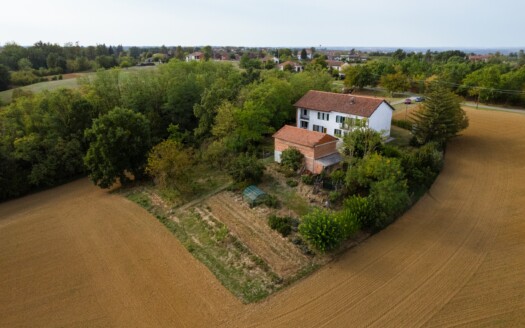
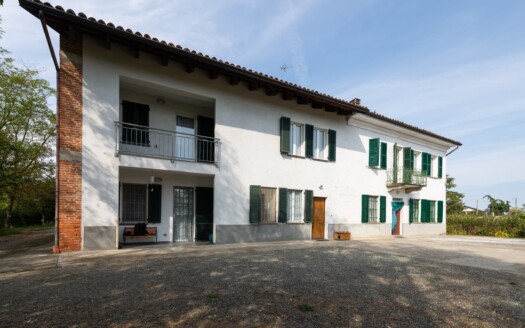
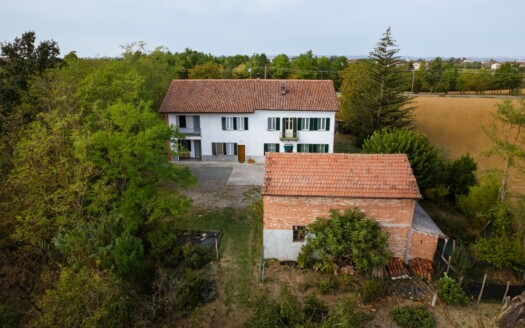
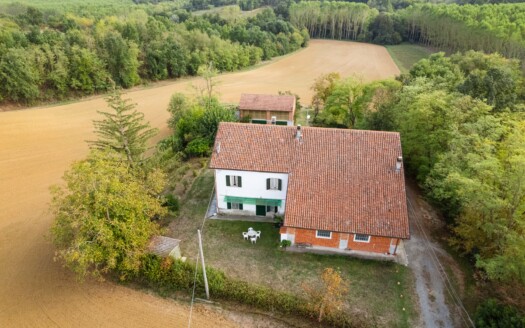
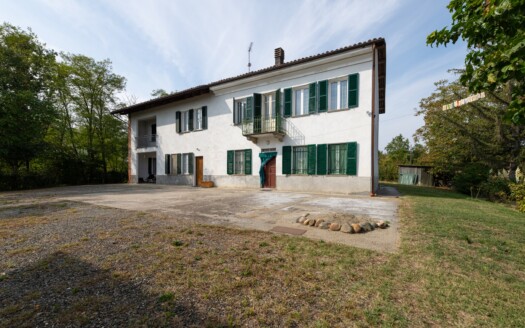
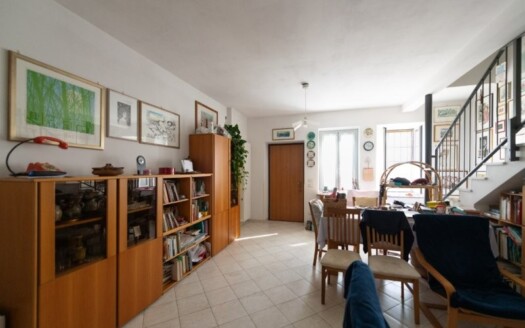
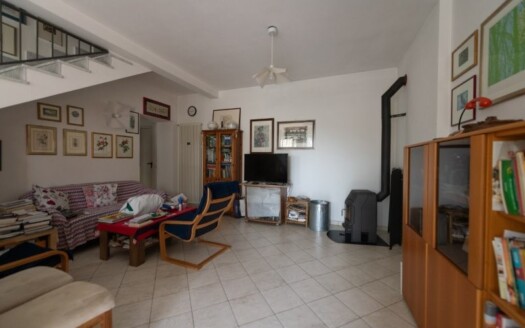
REF 622 Casale piemontese con vasto terreno
Masio (AL)In vendita ampio casale piemontese, composto da due unità adiacenti, immersi in oltre tre ettari di terreni di proprietà, in gran parte…
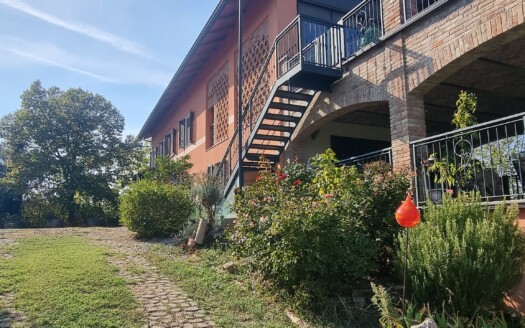
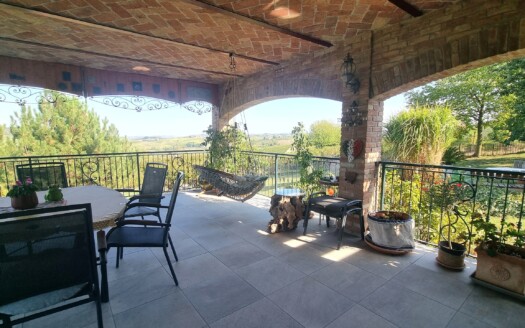
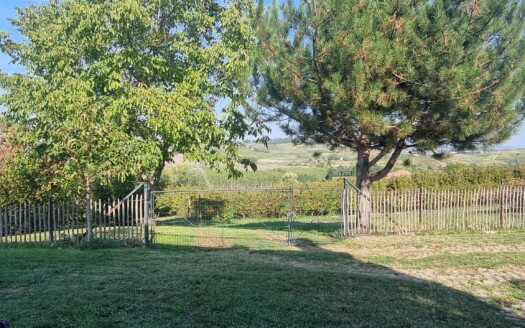
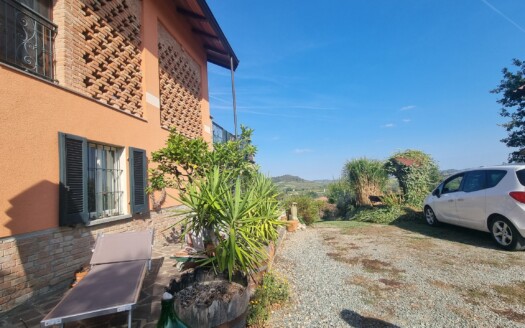
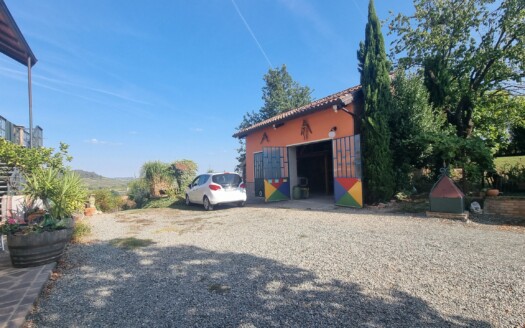
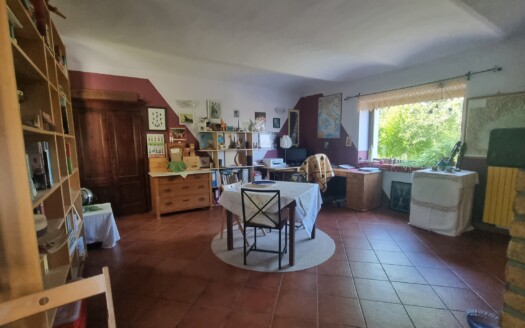
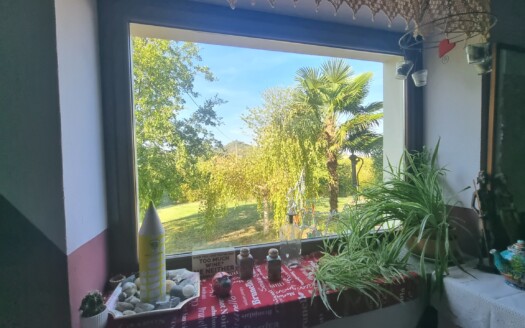
REF 620 Fantastico casale ristrutturato con vigneto
Costigliole d'Asti (AT)In posizione panoramicissima, ed attorniato da oltre 8000 m2 di vigneto e noccioleto di proprietà, è in vendita un favoloso casale ristrutturato…
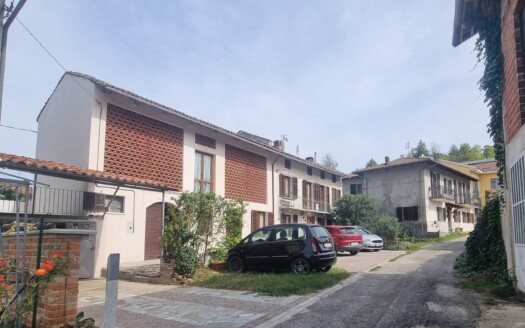
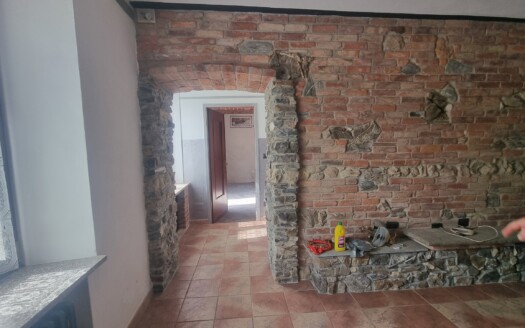
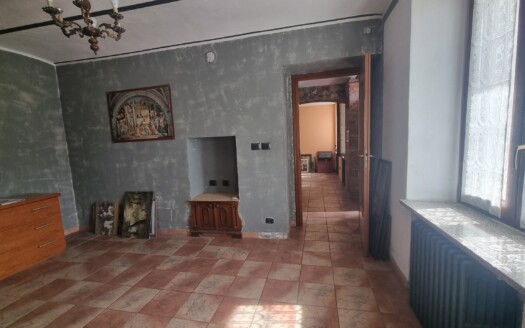
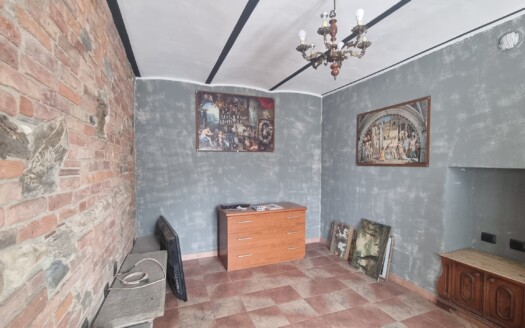
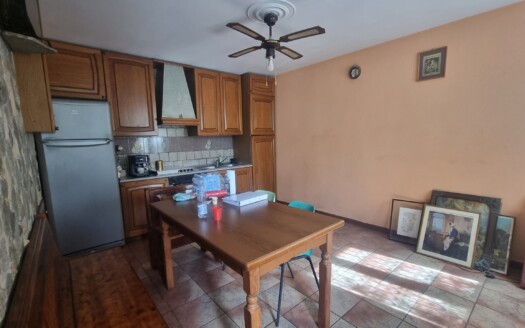
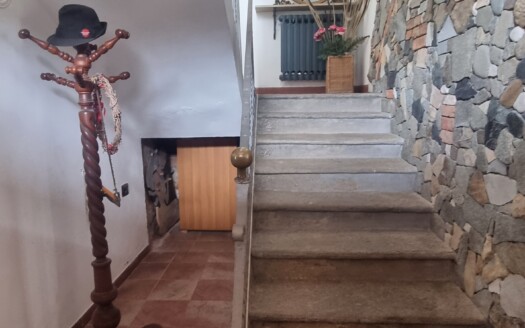
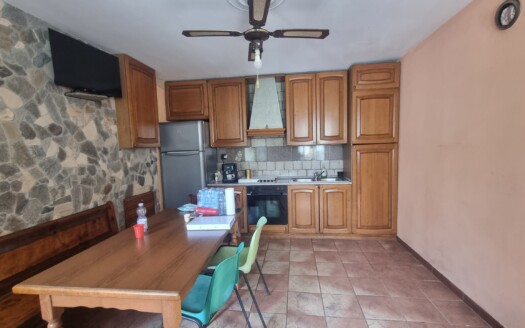
REF 619 Casa in ottime condizioni a poca distanza dal paese
Mombercelli (AT)Casa ristrutturata recentemente, abitabile subito, in ottime condizioni generali, adatta anche come prima casa. Al piano terreno ingresso su vano scala, cucina,…
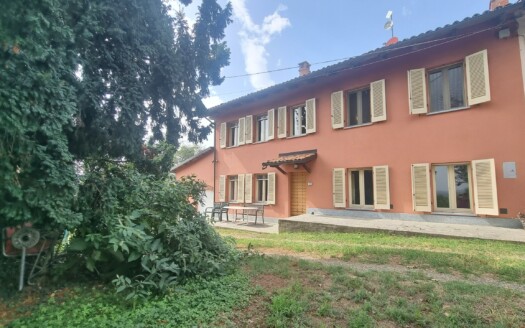
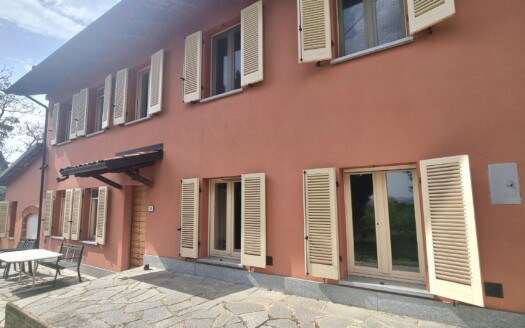
REF 613 Casa ristrutturata in posizione panoramica, con piscina
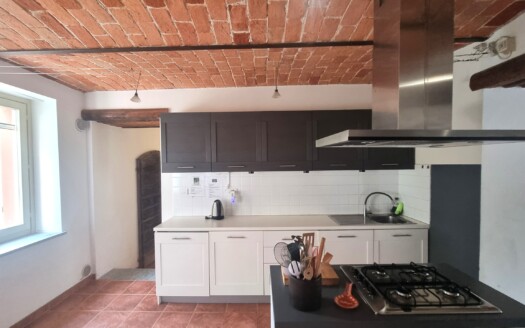
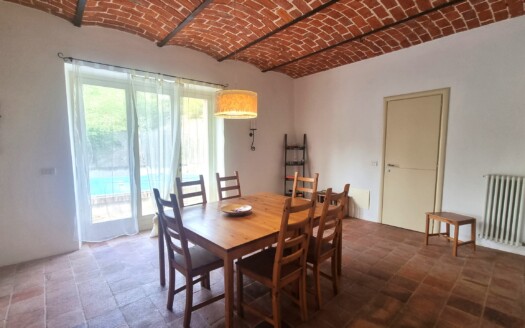
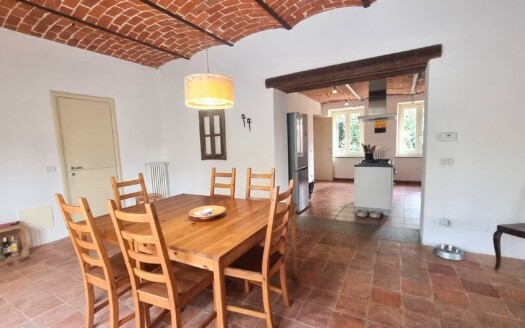
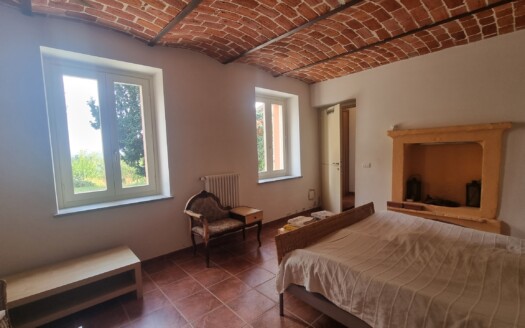
Incisa Scapaccino (AT)In bella posizione panoramica, in vendita ampia casa di campagna ristrutturata in tempi recentissimi, con impianti moderni, con giardino e piscina. Parte…