UNESCO Heritage Hills
Vineyards, castles and tables between Barolo and Barbaresco, the white truffle of Alba and the landscapes that Pavese and Fenoglio turned into literature: UNESCO World Heritage Site since 2014, for those who live here time still follows the rhythm of the seasons.
The land of ridgelines
The name comes from afar: langa, in Piedmontese, is the tongue of hill, the long ridgeline, and scholars trace it back to an ancient root, lanka, “hollow”, used by the Ligurians even before the Romans. A document from the year one thousand already speaks of Langarum. The geography is drawn by rivers: the Tanaro to the north, beyond which the Roero begins, the Belbo and the two Bormidas closing the system. And beneath the vineyards lies a fossil sea: these hills emerged from the Mediterranean, and in the marls between Cherasco, Verduno and Guarene one can still find shells and remnants of a tropical climate. It is that ancient seabed, made of marls and sands, that gives the wines of Langa their unmistakable voice. Even today, digging in certain gullies, you can find fossil shells embedded in the rock: a silent reminder of when here, where the vine rows now stand, there was the sea.
Bassa and Alta: two Langhe, two lives
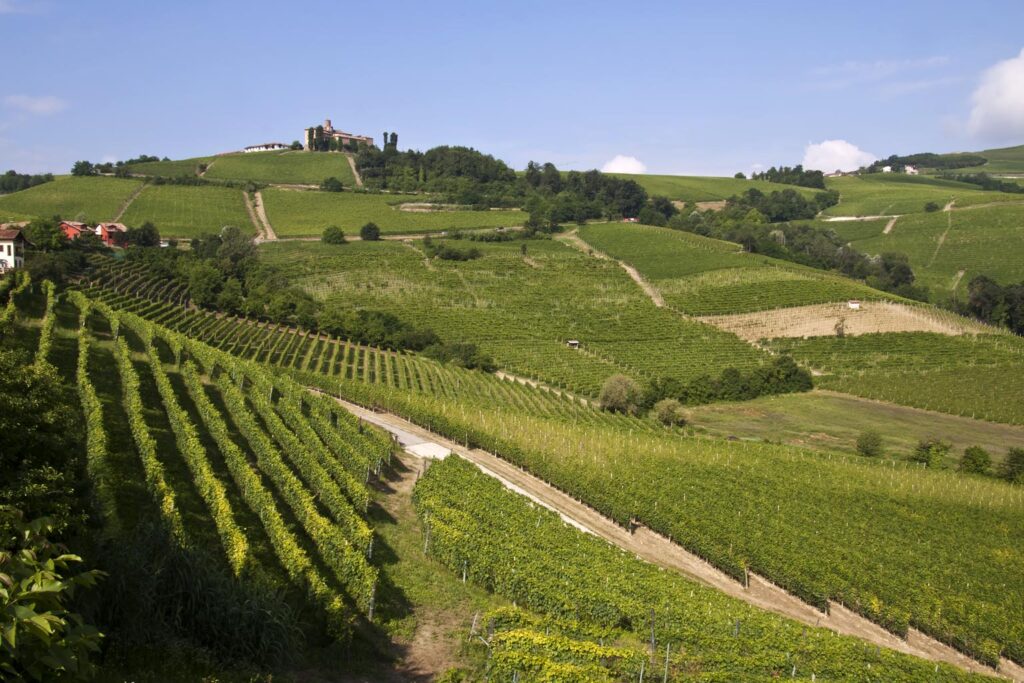
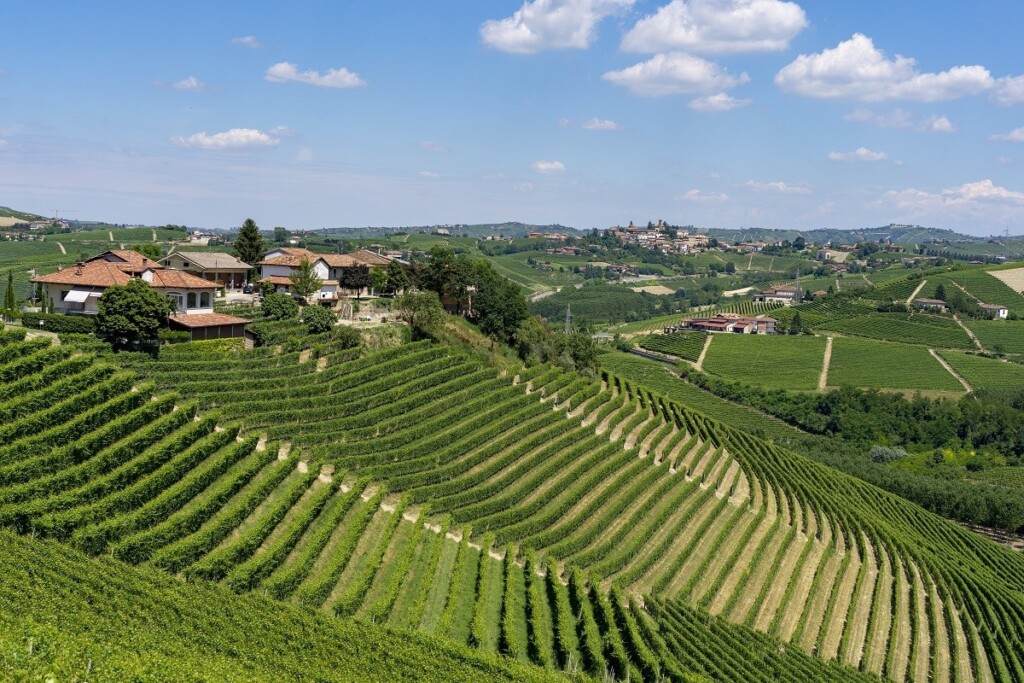
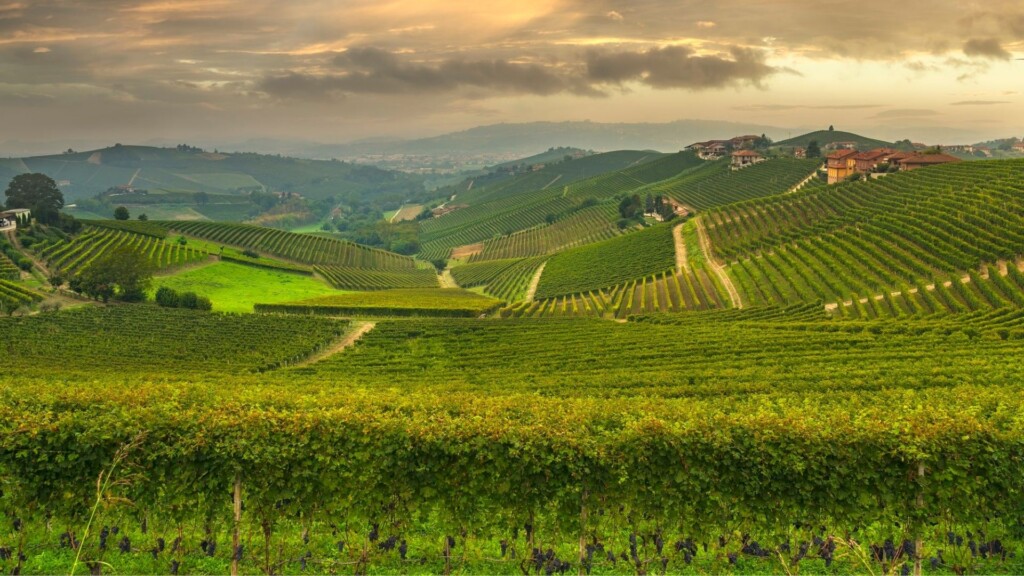
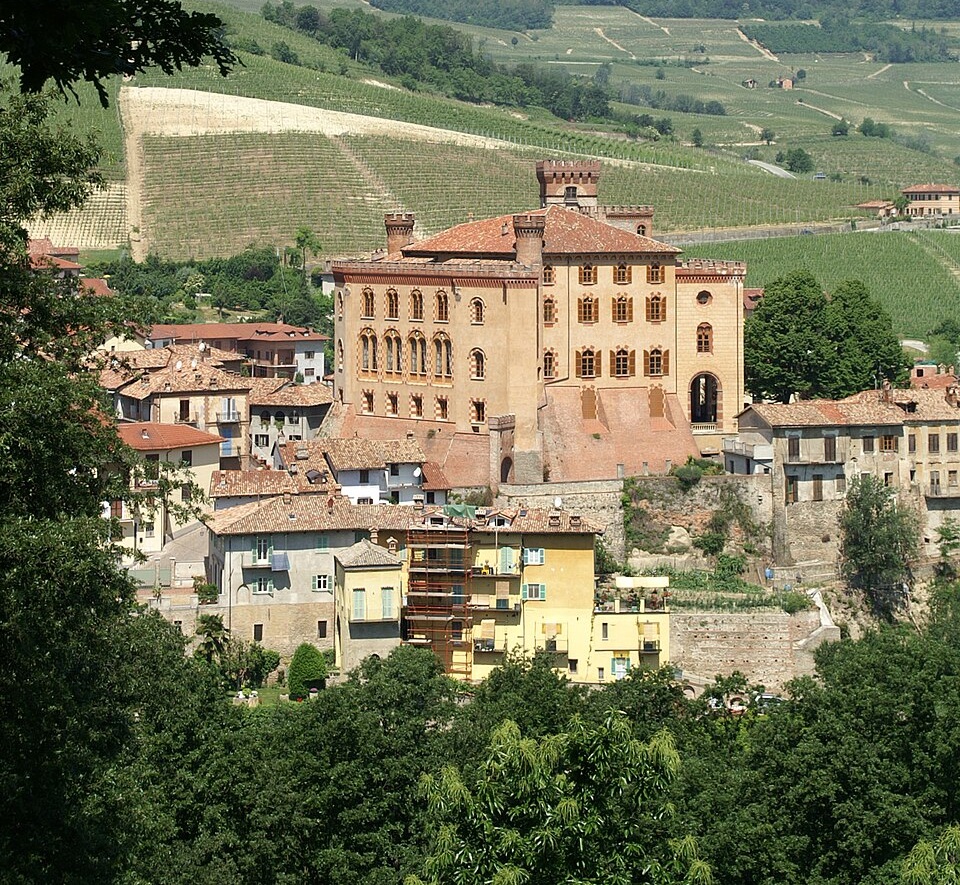
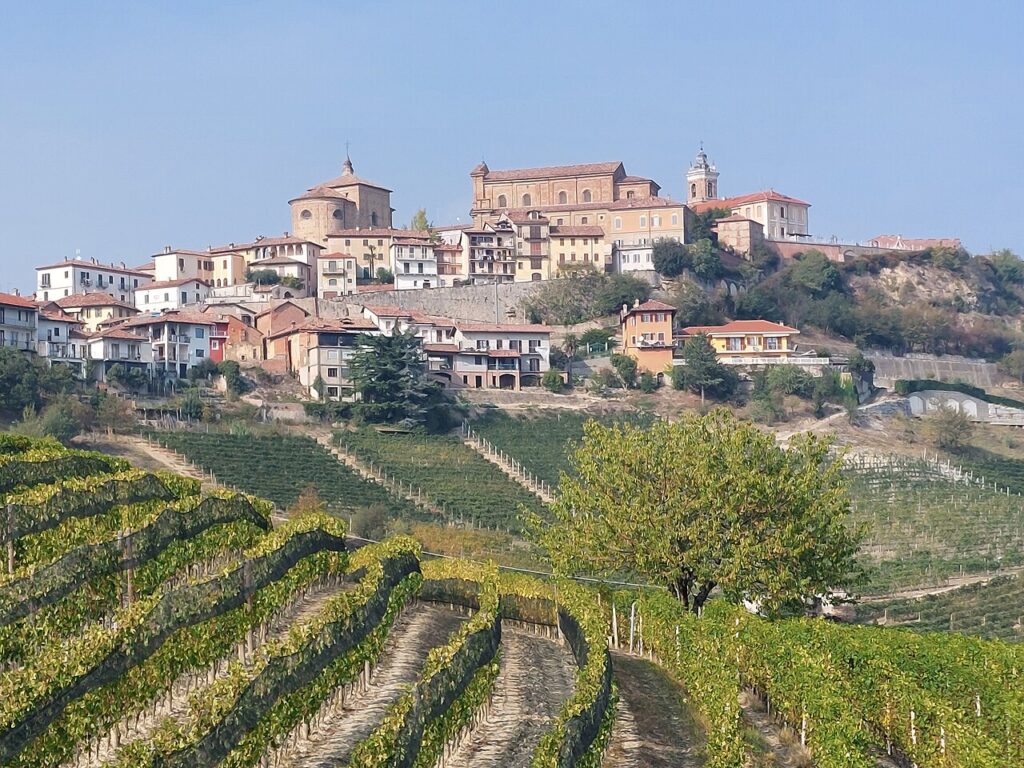
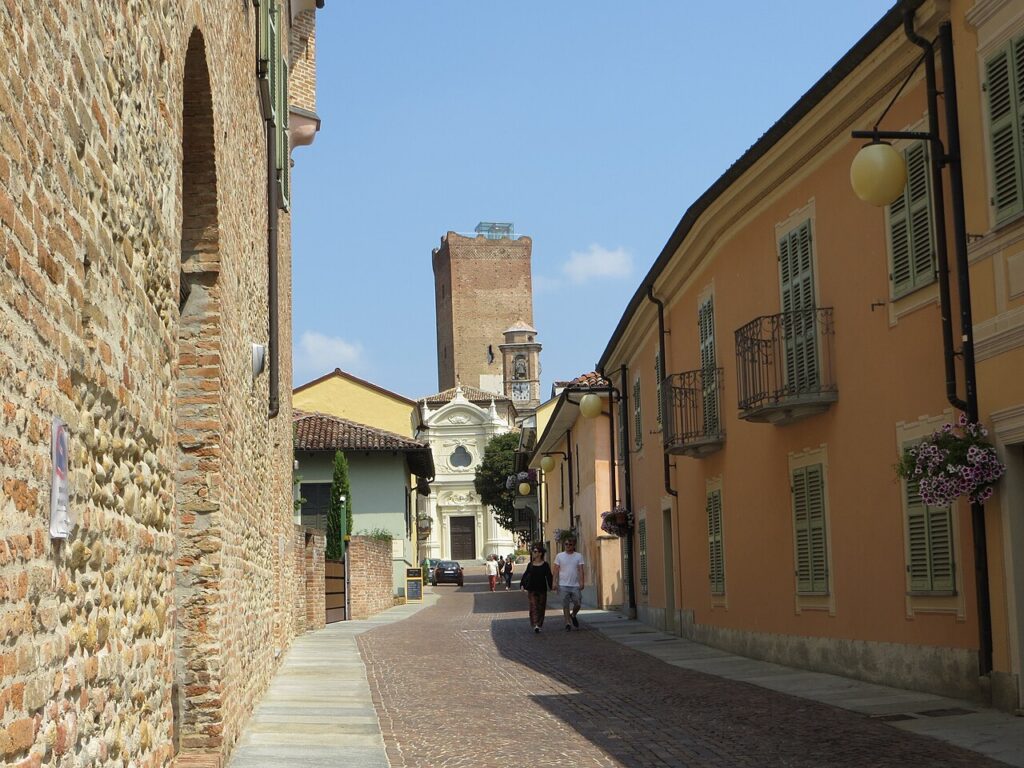
The Bassa Langa, below 600 metres, is the realm of wine: Alba as its bustling capital, and all around the crown of villages the world envies us, Barolo, La Morra, Monforte, Serralunga, Neive, Barbaresco, each with its own castle and its own crus. The Alta Langa is something else entirely: above 600 metres (up to the 896 of Mombarcaro, the roof of the Langhe) the vineyards give way to the hazelnut groves of the Tonda Gentile, to woods, to stone parish churches. This is Fenoglio’s Langa, wilder, more silent, with still-gentle prices and horizons that on clear days reach the Monviso and the Alps. Here the nineteenth century meant real hunger, Nuto Revelli told the story in “Il mondo dei vinti”, then depopulation, and finally, from the nineties onward, the renaissance: restored farmhouses, often by families who arrived from across Europe, agriturismos, agricultural excellence. Today the Langhe are one of the most vibrant and prosperous rural areas in Italy, but the memory of that hardship is what keeps them authentic.
Explore the surroundings
Wineries, restaurants, villages and trails around every property. Filter by category on the map below, and mark the home you're evaluating to see the distances.
Living here, truly
Alba has everything — schools, a hospital, shops, a genuine cultural life — and in fifteen minutes you are in the absolute silence of a ridgeline. Turin is an hour away, the sea just a little more, and the “marin”, the wind that rises from Liguria, brings cool air up to the higher hills in summer. Autumn is the queen of seasons: the fog that fills the valley floors and leaves the villages floating like islands, the scent of must, the truffle fair that brings the world to the square. Those who buy here buy this too: a calendar of seasons that are all truly felt, and a community where the neighbour is still a resource, not a stranger.
The table of the Langhe
This is the gastronomic capital of Piedmont: tajarin with white truffle, agnolotti al plin, albese-style raw beef, Cherasco snails, mountain-pasture cheeses and DOP robiolas from Murazzano and Roccaverano. The Tonda Gentile hazelnut ends up in pastry shops around the world, but the best place to understand it is a hazelnut cake with zabaglione, in a village trattoria. In the glass, the dynasty of Nebbiolos, Barolo and Barbaresco, and then Dogliani, Dolcetto d’Alba, Barbera d’Alba, the rare Pelaverga di Verduno and Alta Langa traditional method sparkling wine. From country osterie to three-Michelin-star restaurants, the average level is simply the highest in rural Italy.
Where to eat well, truly
Alba is one of the gastronomic capitals of the planet; here creative cuisine has brought the Langhe to the top of the world rankings, but the real fabric of the place is the piole: village osterie where the tajarin are rolled out in the morning and the truffle is grated at the table, without ceremony. In between there is everything: historic wineries with kitchens, farmhouse agriturismos, restaurants in castles. It is the only rural area in Italy where you can choose the wrong restaurant and still eat well.
A year of festivals: choose the season
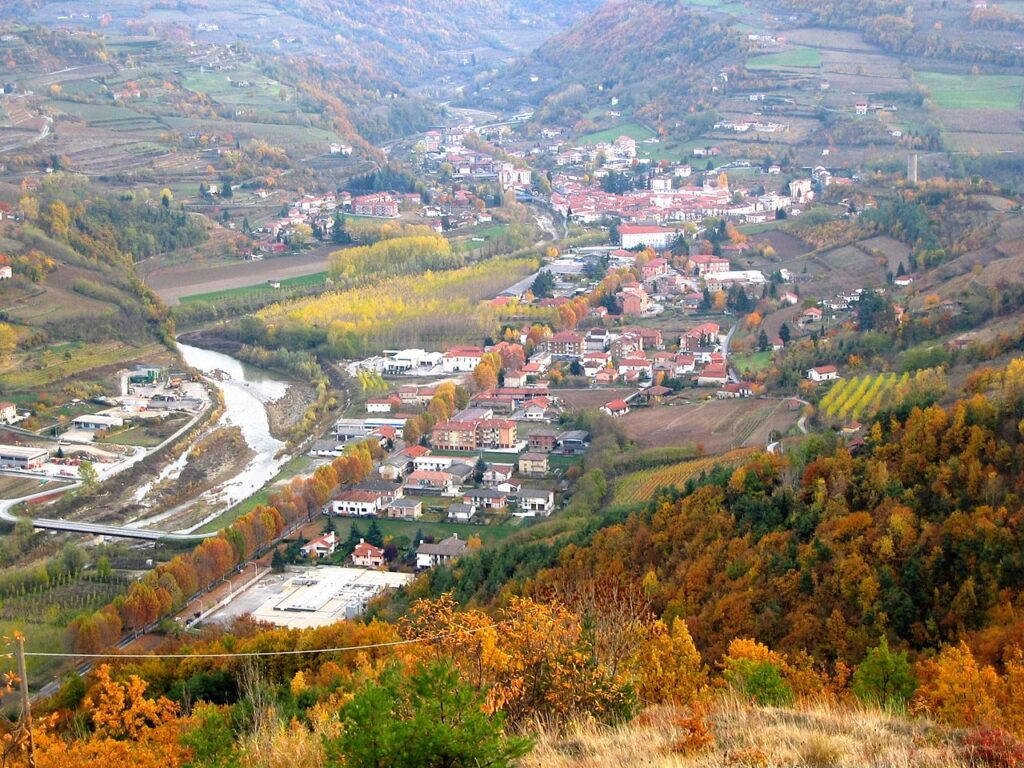
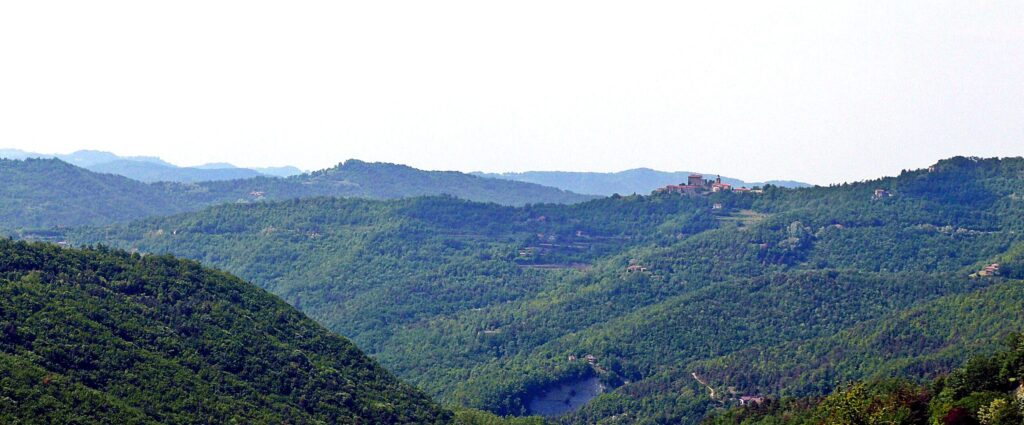
Vinum
AlbaThe largest open-air wine fair in Italy, in the historic centre in bloom.
Cantine Aperte
all the LangheProducers open their doors: taste the wine where it is born, from Barolo to Alta Langa.
The awakening of the vines
all the LangheThe first buds on the vines and the paths through the vineyards turning green again: the best season for walking among the crus.
Pavese and Fenoglio festivals
Santo Stefano Belbo and AlbaReadings, literary trails and evenings in the settings of the novels.
Festa della Nocciola
CortemiliaThe Alta Langa celebrates the Tonda Gentile: sweets, music and cool evenings at 700 metres.
Suoni dalle Colline
Castello di Verduno and Grinzane CavourClassical music concerts in the castle gardens, stages of the Langhe's most beloved summer series.
International White Truffle Fair
AlbaEight weeks of world market, show cooking and the auction at the castle of Grinzane.
Harvest in the crus
Barolo and BarbarescoThe ridgelines fill with baskets: the most genuine moment of the year to understand the Langhe.
Palio degli Asini
AlbaThe most light-hearted race in Piedmont, a historical parade and nine villages competing: it opens the white truffle season.
Langhe under the snow
all the LangaThe UNESCO hills blanketed in white: hiking with crampons, warm wineries and nebbiolo in the glass.
Christmas in Alba and the castles
Alba and surroundingsLights, markets and the truffle city slowing down, the most intimate moment to experience it.
Langa Carnivals
various villagesSmall parades and village celebrations warm the winter, with fritters, mulled wine and traditional masks.
Dates and editions vary year to year: when we arrange your visit, we time it with whatever is on.
Buying here, in practice
Visits first, everything else after
We select properties with you from the catalogue, then organise a full day of visits: Maria Cristina knows every property in person, faults included.
The purchase process, explained
Offer, preliminary contract, notarial deed: we guide you step by step, even if you are buying from abroad, with documents verified beforehand, not after.
Renovating without fear
A farmhouse waiting to be reborn? We put you in touch with the local surveyors and craftsmen we have worked with for years, with real quotes.
After the deed we are still here
Utilities, connections, the right baker and the neighbour to meet: those who buy with us are never left alone the day after.
Langhe homes, now in the catalogue
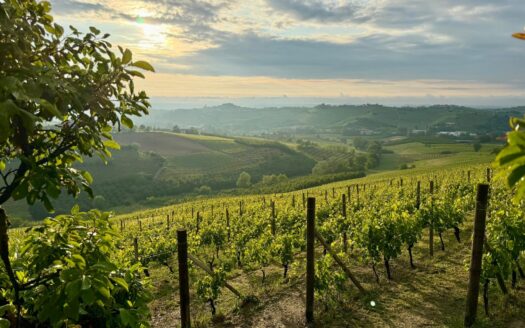
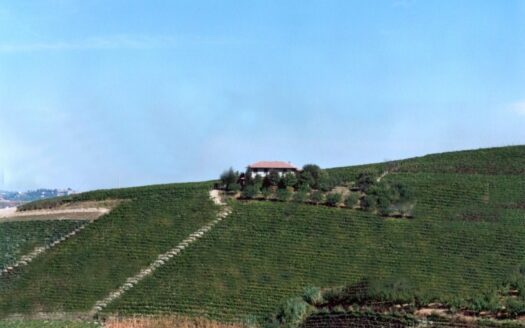
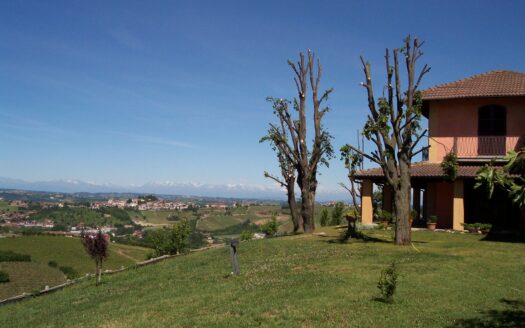
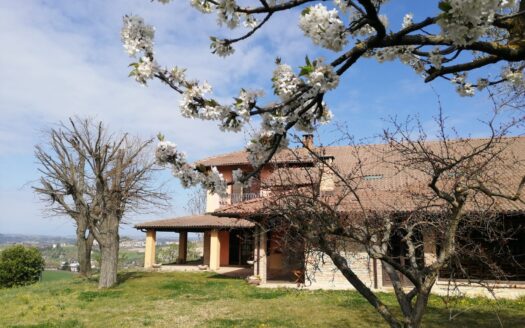
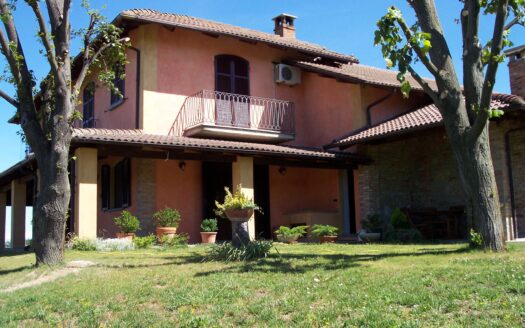
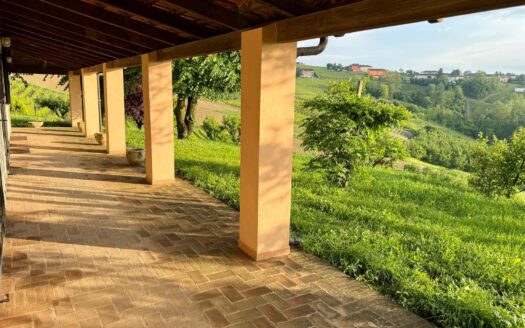
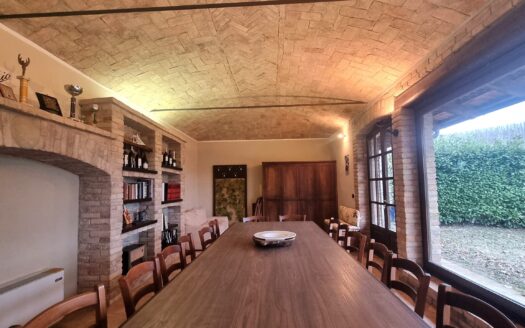
A panoramic winery in a commanding location
Castagnole delle Lanze (Asti)In posizione dominante, azienda agricola di piccole dimensioni con viale privato di accesso, composta da abitazione e locali di vinificazione e stoccaggio…
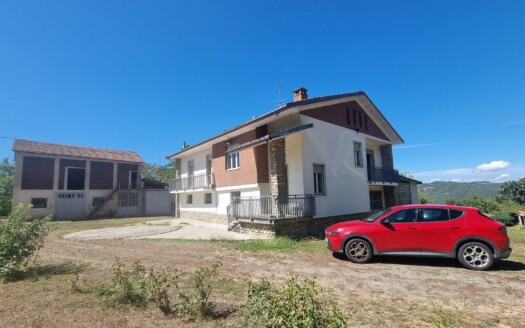
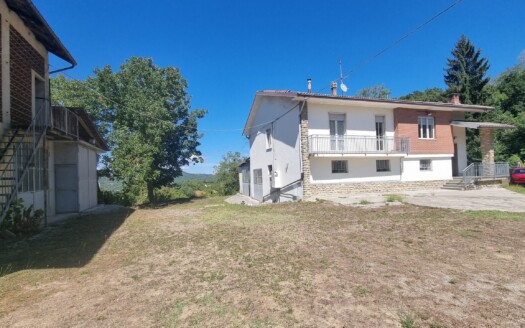
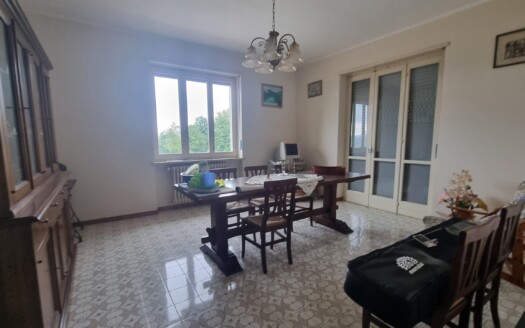
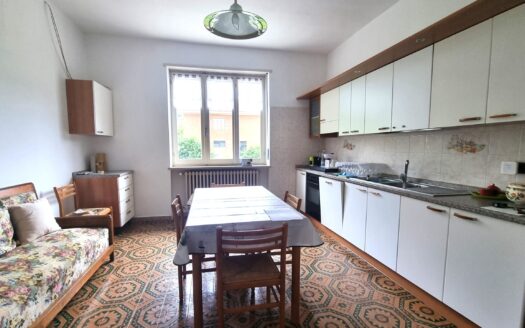
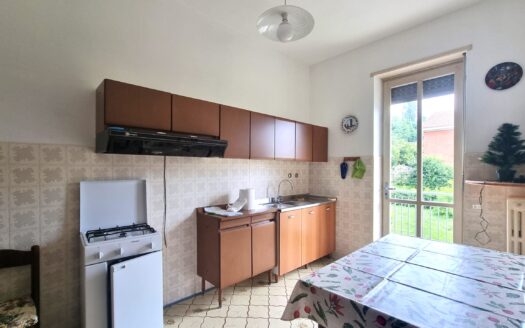
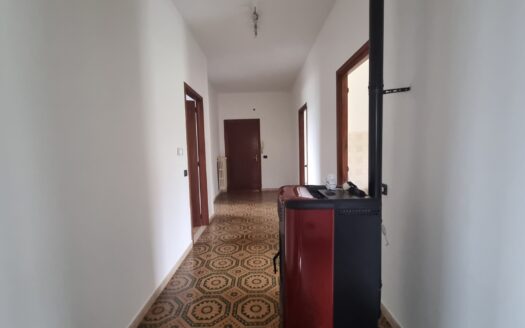
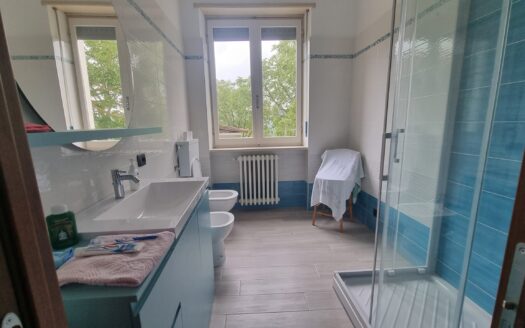
A charming estate composed of two buildings, in panoramic location
Cravanzana (Cuneo)In posizione comoda e panoramica, ampia proprietà in Alta Langa immersa in circa 4000 m2 di terreno, in gran parte piano e…
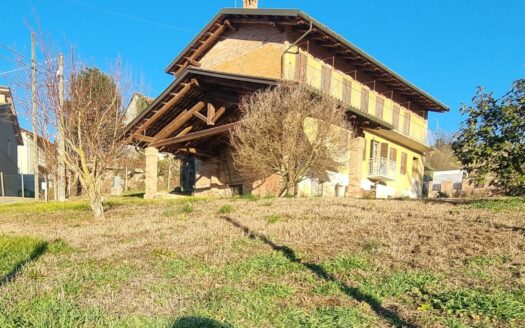
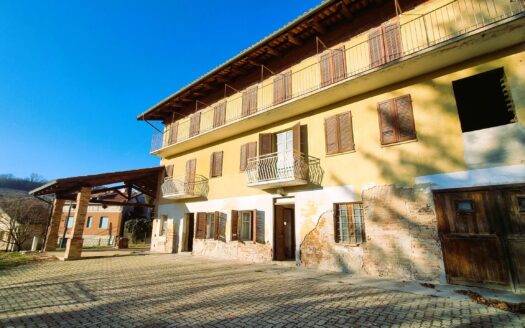
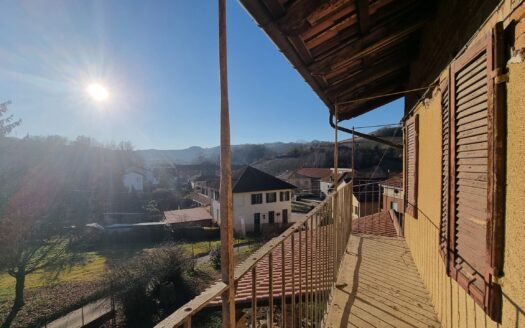
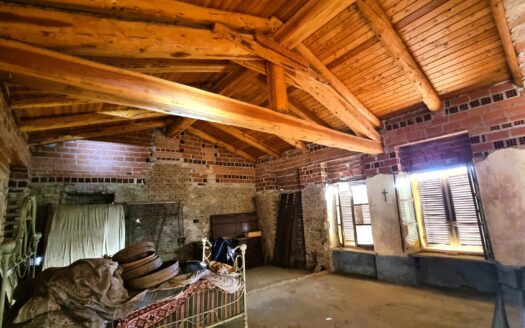
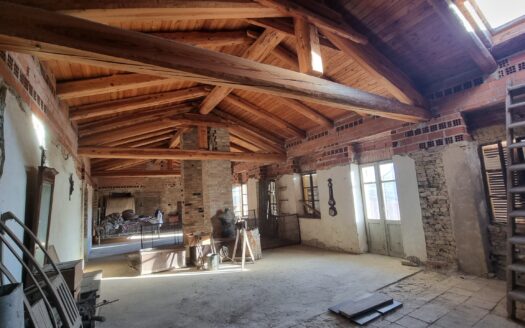
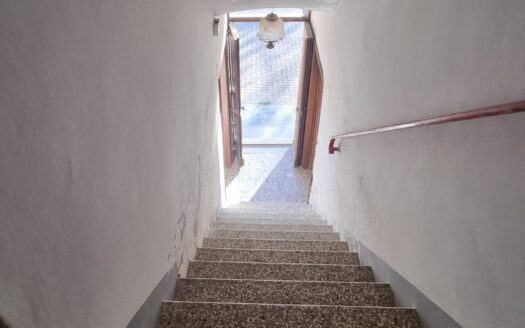
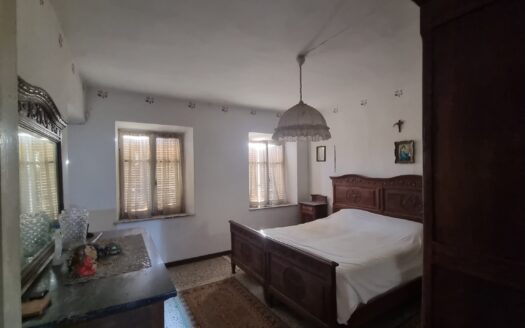
A typical Piedmontese home with lovely views
Cisterna d'Asti - Alba (Asti)In bella posizione aperta, vicino alla frazione San Matteo, ed a soli 15 km da Alba, bella casa tipica in ottime condizioni…
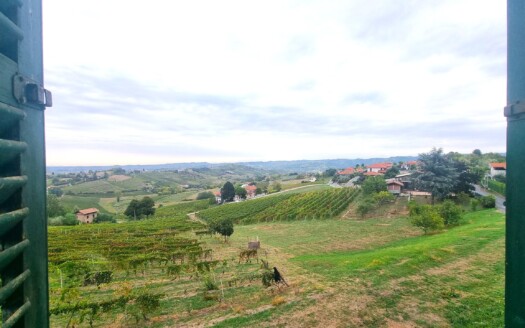
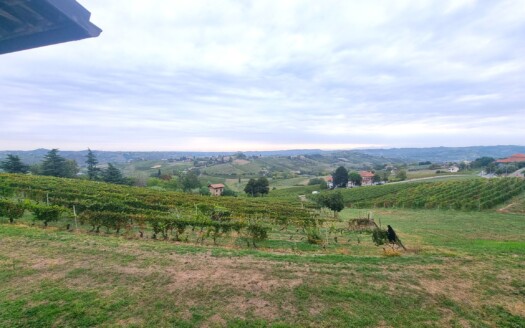
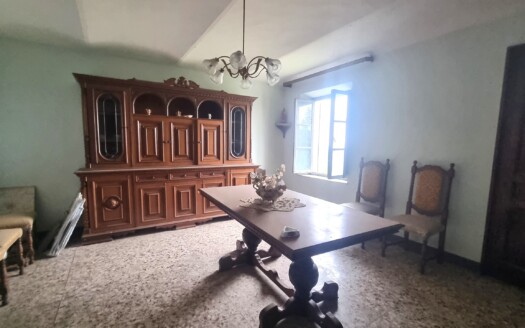
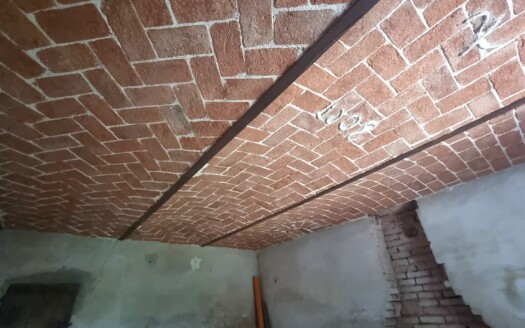
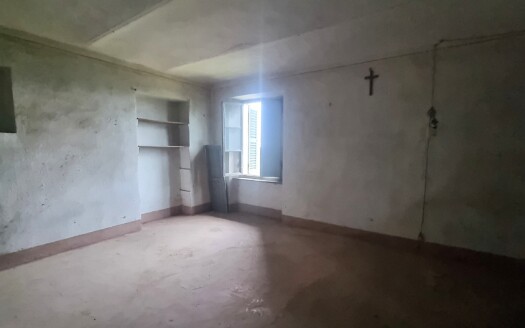
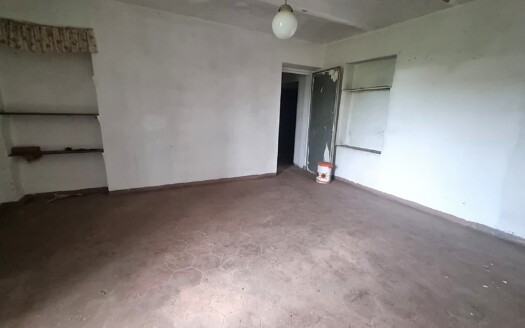
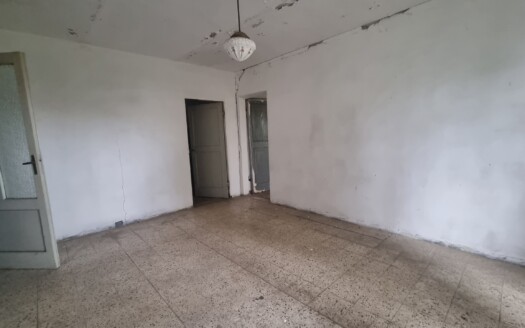
REF 617 Casale in posizione spettacolare con giardino e terreno
San Marzano Oliveto (AT)In posizione panoramicissima, alle porte del paese, in vendita tipico ed ampio casale piemontese, in ottime condizioni strutturali, con tetto rifatto in…
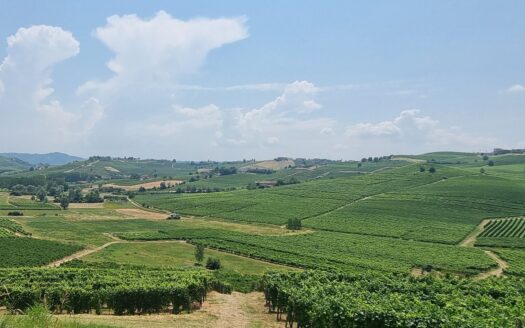
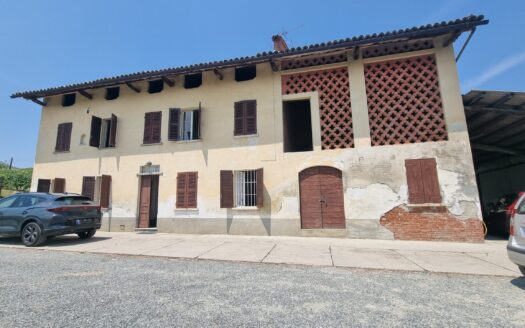
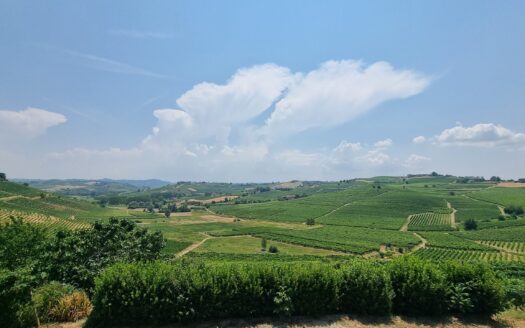
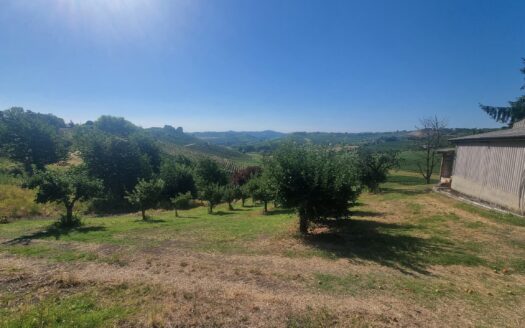
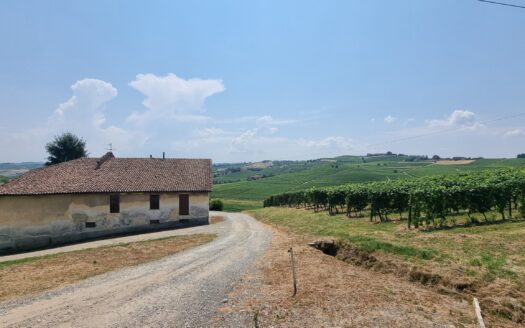
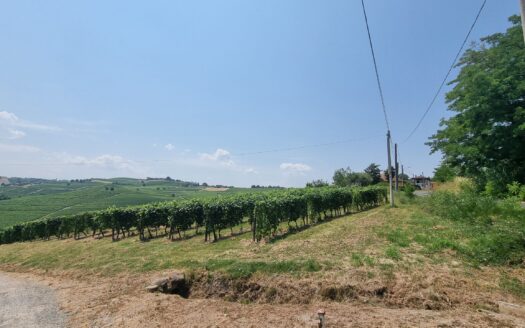
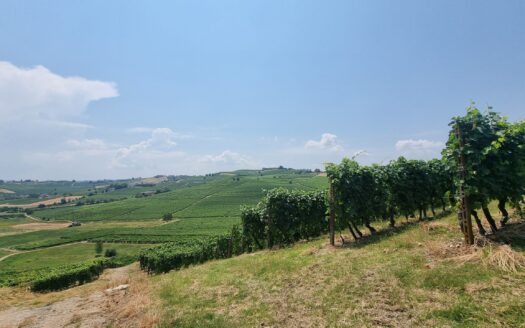
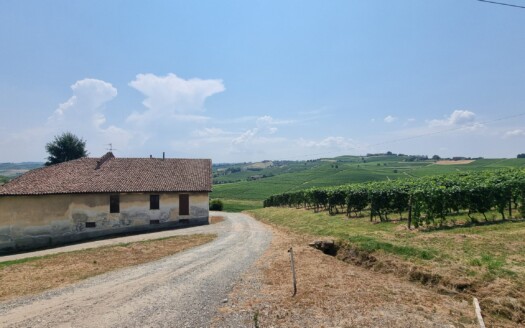
Vineyard estate in a magnificent location
Moasca (Asti)In vendita azienda agricola in bellissima posizione.
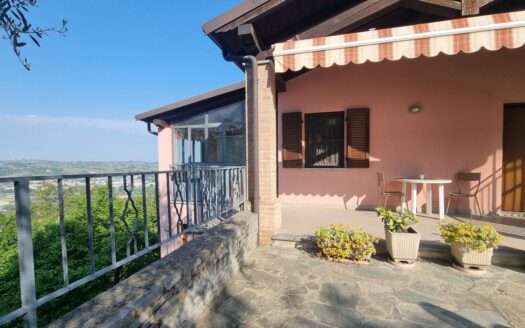
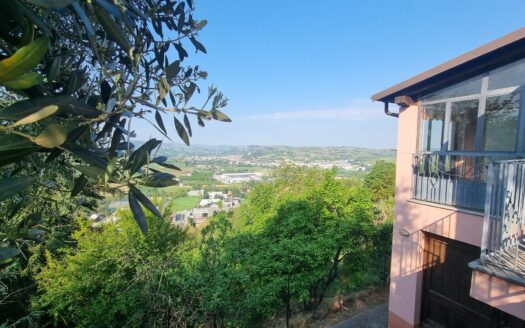
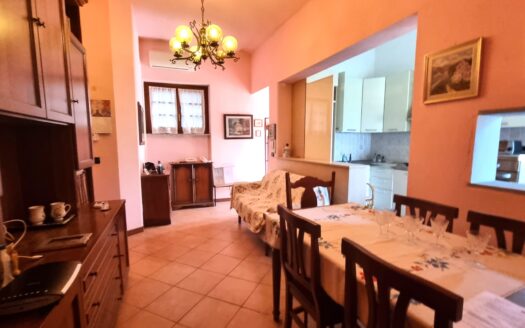
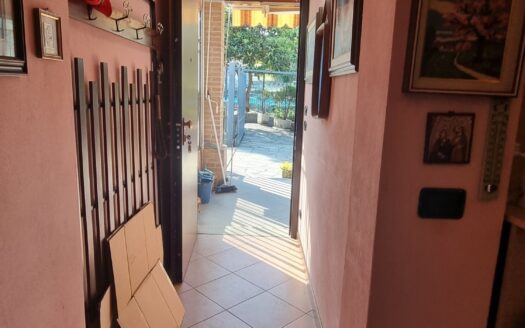
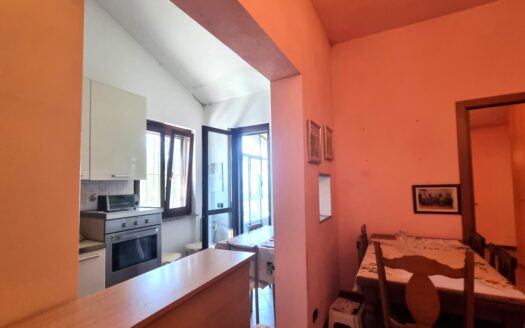
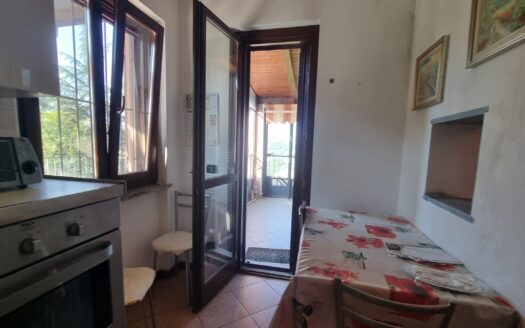
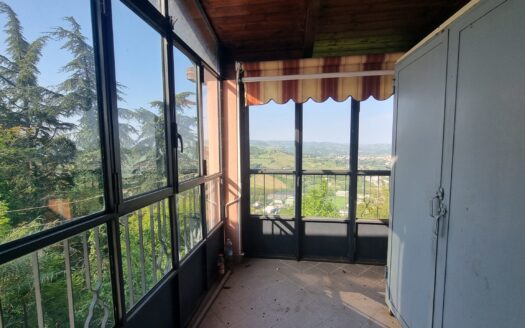
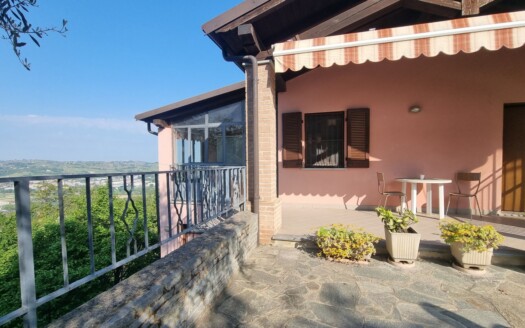
A cozy villa in a panoramic location
Calamandrana (Asti)In posizione panoramica, casa indipendente sui quattro lati, con giardino e piccolo terreno pertinenziale, in buone condizioni generali ed abitabile subito. Ingresso,…
«We had been looking for a farmhouse for three years. Maria Cristina showed us three: the second one was the right one.»The Berger family, from Zurich to Calosso
Come and see the Langhe in person
Tell us what you are looking for: Maria Cristina knows every property personally and organises visits within the day.
Start with the configurator