Restoring a Historic Farmhouse in Monferrato: A Step-by-Step Guide
Restoring a historic cascina in the Monferrato hills is one of the most rewarding property projects you can undertake in Italy — and one of the most complex. The combination of historic building fabric, UNESCO landscape protection rules, Italian planning bureaucracy and the practical challenges of managing a building site from abroad creates a project that requires careful preparation, the right professional team and realistic expectations about time and cost. This guide takes you through the process step by step.
VerdeAbitare has watched many farmhouse restoration projects in the Monferrato Astigiano unfold — successful ones and ones that went wrong. The guidance here reflects that accumulated observation.
Step One: Understanding What You Are Buying
Before signing a preliminary contract on a Monferrato farmhouse requiring restoration, commission a thorough technical survey from a local geometra or structural engineer. This survey should assess: the structural condition of the walls and roof, the presence and condition of existing services (electrical, plumbing, heating), the planning history and compliance of the building, and any restrictions or obligations associated with the property’s cadastral category or planning classification. The cost of this survey (€500-€1,500 depending on complexity) is the best money you will spend in the entire process.
Pay particular attention to the roof. A sound roof is the most important single structural asset of a Monferrato farmhouse — it is what has protected the building fabric over decades and what will continue to protect your investment after purchase. A compromised roof allows water ingress that damages everything below it. Always ask explicitly about the roof condition and, if in any doubt, have it inspected by a roofer before signing.
Step Two: Building Your Professional Team
A successful Monferrato farmhouse restoration requires at minimum: an architect or geometra to design the project, obtain permits and direct the works; a structural engineer if the building has significant structural issues; a specialist in historic building materials if the property is subject to heritage protection; a reliable general contractor with experience in similar projects; and specialist trades (roofer, electrician, plumber, plasterer) coordinated by the contractor. Finding all of these people in the right sequence, from outside Italy, is the first major challenge of the project. VerdeAbitare can provide introductions to trusted professionals in the Monferrato Astigiano.
Step Three: The Planning Permission Process
In the Monferrato UNESCO landscape, any work that changes the external appearance of the building requires both a building permit and a landscape authorisation (autorizzazione paesaggistica). The landscape authorisation is issued by the regional authority and involves an assessment of the visual impact of the proposed works on the protected landscape. This process adds 3-4 months to the standard permitting timeline and may require modifications to the original design.
The key principle for working in the UNESCO landscape is compatibility — the restored building should be consistent with the traditional architectural character of the Monferrato. This means: local brick or stone for external walls, terracotta tiles for the roof, lime-based renders and plasters, traditional window and door proportions, and pool and landscaping designs that respect the visual character of the setting. Work with an architect who has experience in the local planning environment and a track record of successful authorisations in the Monferrato.
Step Four: The Renovation Budget
Establishing a realistic renovation budget before beginning work is critical — renovation projects in Italy consistently run over budget, and the contingency provision should be generous rather than optimistic. The framework costs for a full renovation in Monferrato in 2026: roof replacement €60,000-€120,000 for a typical cascina; structural works (if required) €20,000-€80,000 depending on extent; new electrical and plumbing services €30,000-€60,000; kitchen and bathrooms €30,000-€80,000 depending on specification; internal finishes (flooring, plastering, painting) €40,000-€80,000; pool construction (if applicable) €30,000-€60,000.
Total renovation cost for a 200 square metre cascina to a good standard, inclusive of pool: €250,000-€450,000. Add 20-25% contingency. Add the architect’s and geometra’s fees (typically 8-12% of construction cost). The total investment — purchase price plus renovation — should be assessed against the market value of the completed property in the specific location to ensure the project makes financial sense.
Step Five: Managing the Project from Abroad
Managing a renovation project in Monferrato from outside Italy requires a project manager on the ground who can monitor progress, attend site meetings, manage the relationship with the contractor and report back to the owner regularly. This can be the architect, a dedicated project manager, or in some cases a trusted local contact. Attempting to manage the project remotely without regular on-site presence is one of the most common causes of quality problems, delays and cost overruns in Monferrato renovation projects.
Step Six: The Finishing Details That Make the Difference
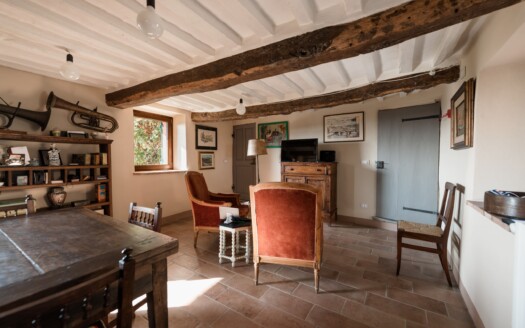
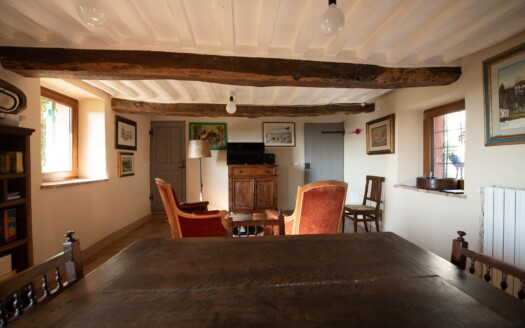
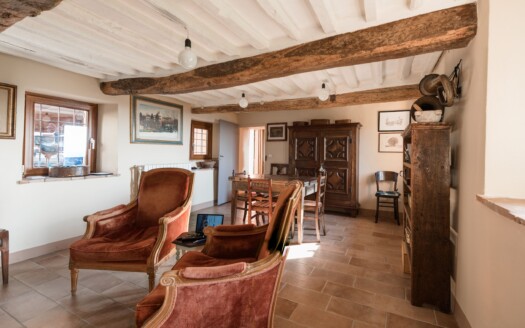
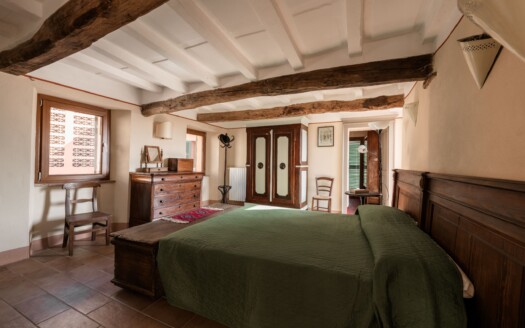
The finishing details of a Monferrato farmhouse restoration — the materials, the fixtures, the spatial sequences — are what distinguish a property that feels authentically of the place from one that merely looks like a renovated farmhouse. Authentic materials make the difference: handmade terracotta floor tiles from local kilns, reclaimed wooden beams, hydraulic lime plasters, traditional hardware for doors and windows. These materials are more expensive and more time-consuming to source than their industrial equivalents, but they produce a quality of result that is immediately recognisable and that the rental market and resale market reward.
The kitchen and bathrooms deserve particular attention — they are the spaces most scrutinised by prospective guests and buyers. A well-designed open kitchen that incorporates the original stone sink, brick arches or wooden ceiling of the historic building, combined with modern appliances and good worktop materials, is worth more than a fitted kitchen that could be in any house anywhere.
Step Seven: The Landscape and Outdoor Spaces
The outdoor spaces of a Monferrato farmhouse are as important as the interior for both personal enjoyment and rental income. The terrace orientation — the direction from which the best views are available — should drive the layout of the outdoor living areas. The pool position should maximise both the visual experience from the water and the view of the pool from the house. The planting should use local species that are adapted to the Piedmontese climate and that complement the character of the landscape.
A well-designed outdoor space in Monferrato — terraces with pergola shade, a pool with a view, an orchard of fruit trees, a vegetable garden — creates a setting that guests describe in reviews with the kind of language that drives bookings. The outdoor spaces are often what people remember most vividly about a Monferrato farmhouse stay.
The Restoration as an Investment in a Way of Life
A well-executed restoration of a historic Monferrato farmhouse produces not just a property but a place — somewhere with character, history and a specific relationship to its landscape that no modern building can replicate. The effort and the cost of the restoration are real, but what they produce is real in a way that cannot be bought off a developer’s plan.
VerdeAbitare accompanies buyers through the entire restoration journey — from identifying the right property to assembling the right professional team and providing local support throughout the project. If you are considering a restoration project in Monferrato, we would welcome a conversation about what is involved and what the realistic outcomes look like.
Read also
→ Renovating a Farmhouse in Piedmont: Real Costs
→ Farmhouses for Sale in Monferrato
→ Is a Swimming Pool Worth It in Monferrato?
→ Buying Property in Monferrato: Complete Guide
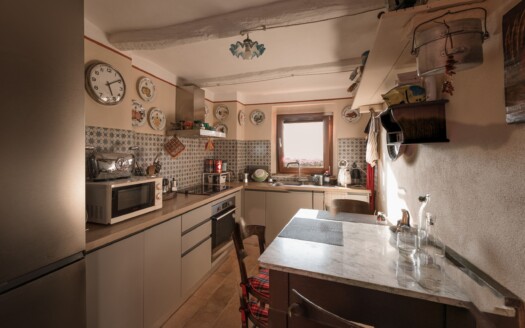
REF 621 Eccezionale proprietà in posizione strepitosa
Nizza MonferratoNel centro storico di una nota località a pochi km da NIzza Monferrato, in vendita favolosa proprietà composta da due abitazioni distinte,…
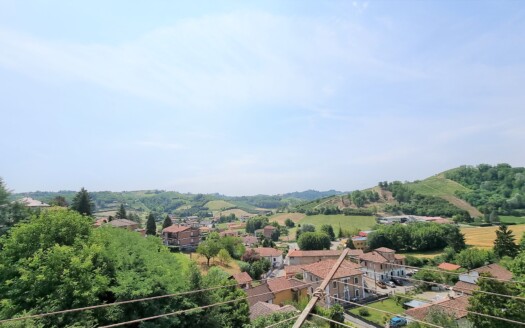
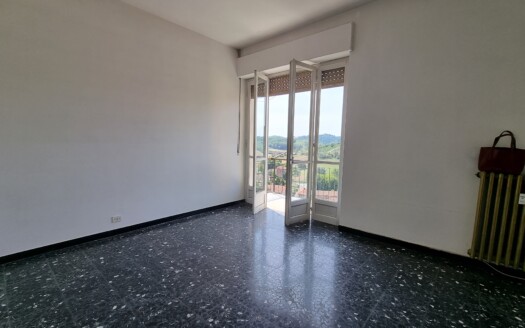
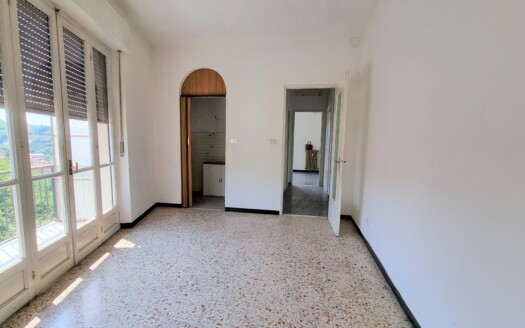
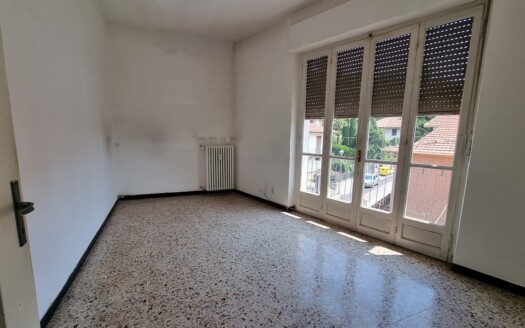
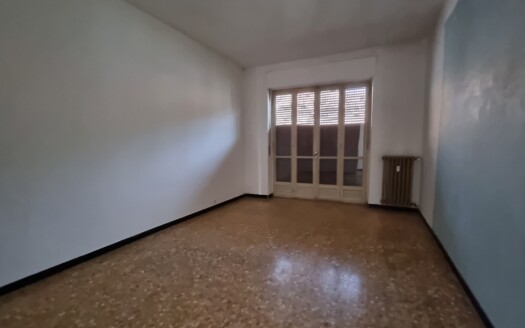
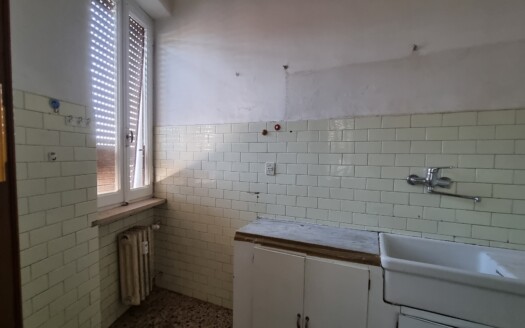
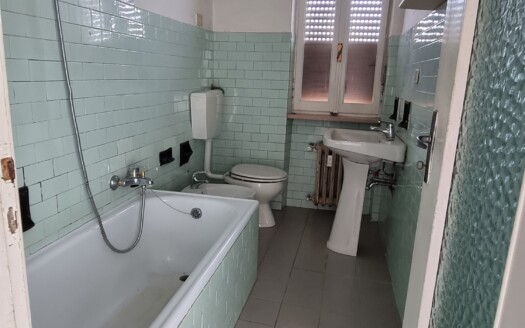
Appartamento panoramico con balconi e garage
MOMBERCELLIAppartamento al piano primo di piccola palazzina vicina al centro paese, con due balconi panoramicissimi. Ingresso, camera, cucinino e tinello, servizi, altra…
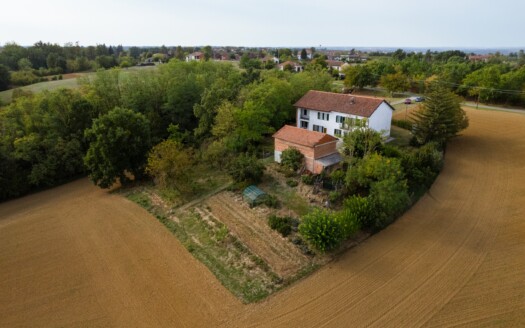
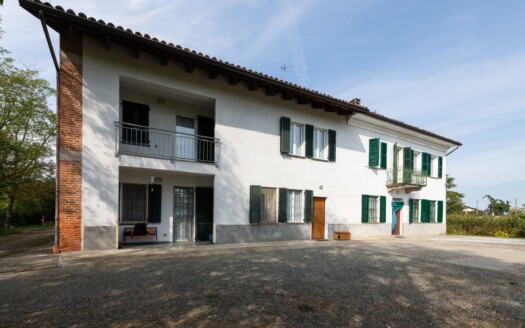
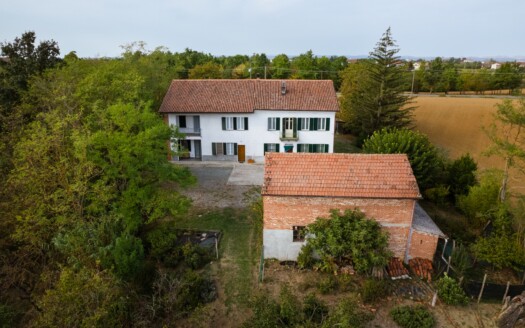
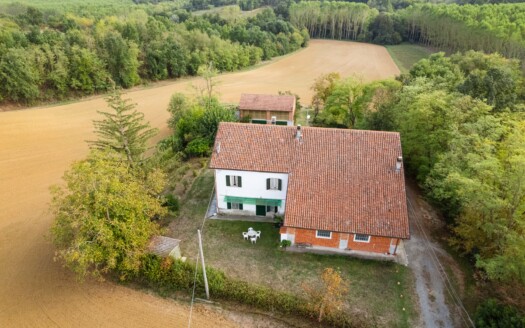
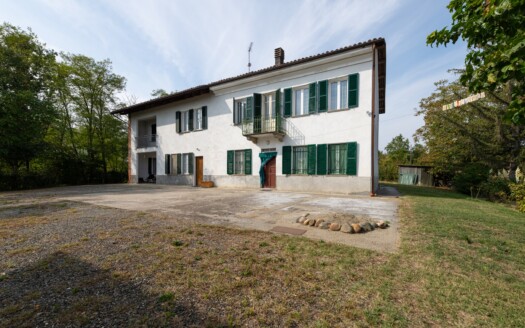
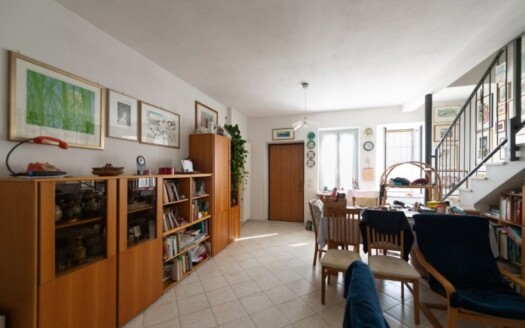
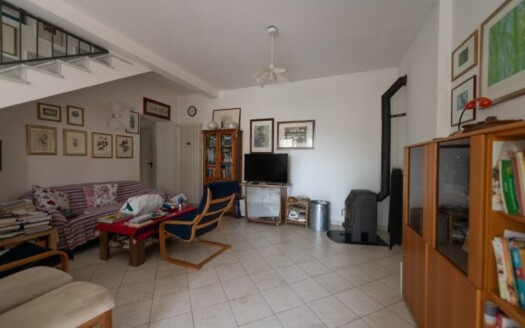
REF 622 Casale piemontese con vasto terreno
Masio (AL)In vendita ampio casale piemontese, composto da due unità adiacenti, immersi in oltre tre ettari di terreni di proprietà, in gran parte…
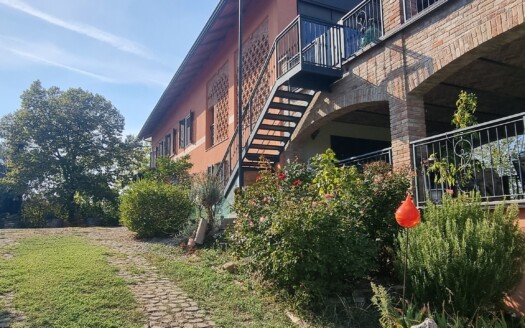
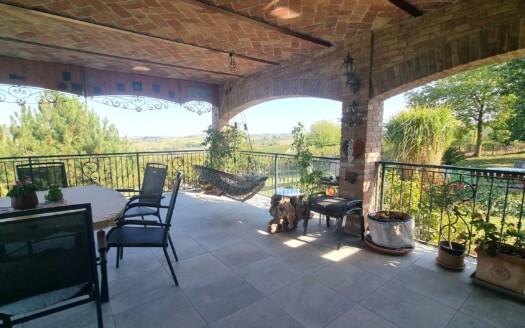
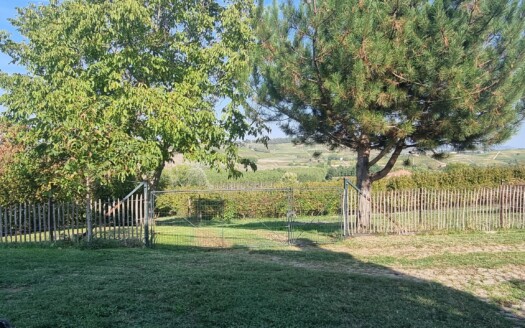
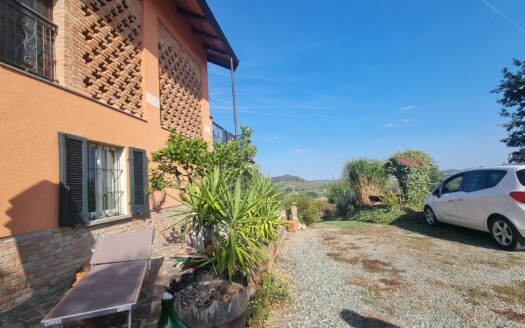
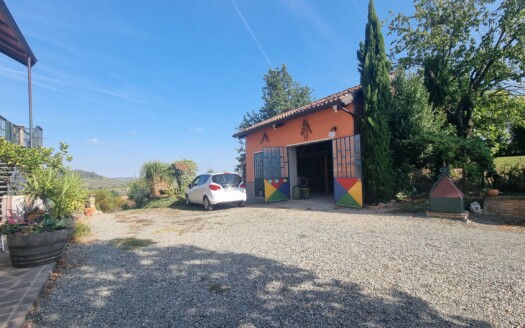
REF 620 Fantastico casale ristrutturato con vigneto
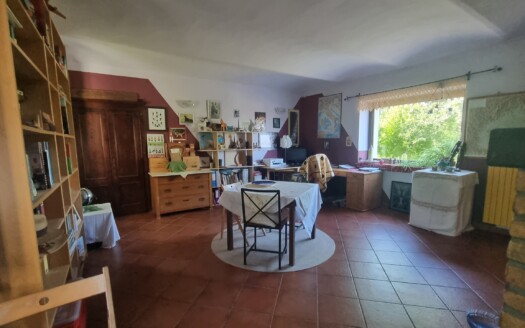
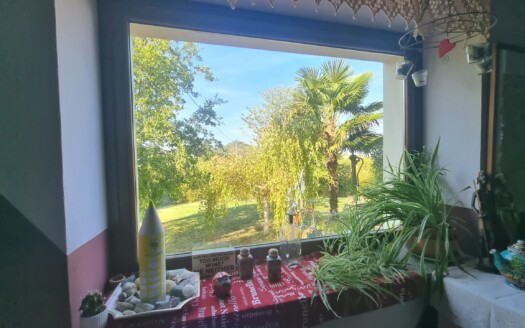
Costigliole d'Asti (AT)In posizione panoramicissima, ed attorniato da oltre 8000 m2 di vigneto e noccioleto di proprietà, è in vendita un favoloso casale ristrutturato…
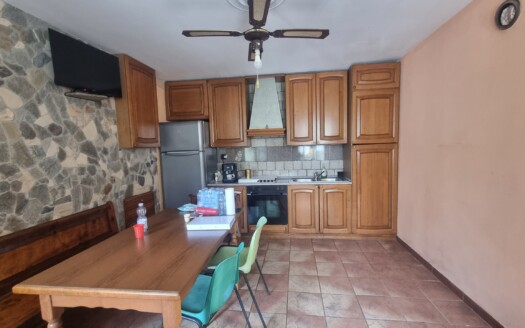
REF 619 Casa in ottime condizioni a poca distanza dal paese
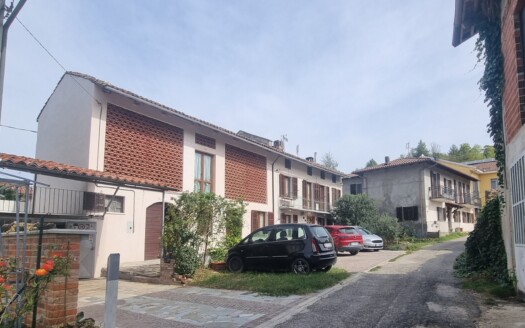
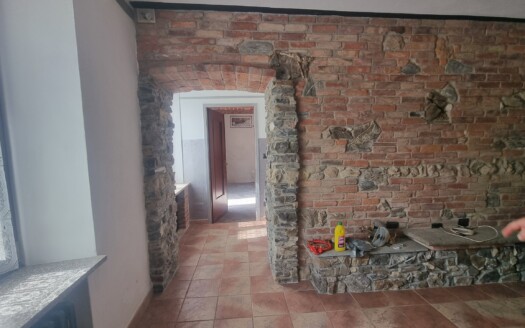
Mombercelli (AT)Casa ristrutturata recentemente, abitabile subito, in ottime condizioni generali, adatta anche come prima casa. Al piano terreno ingresso su vano scala, cucina,…
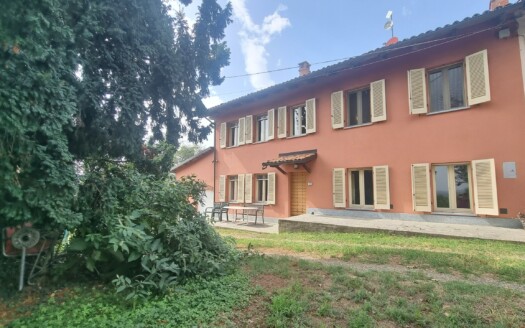

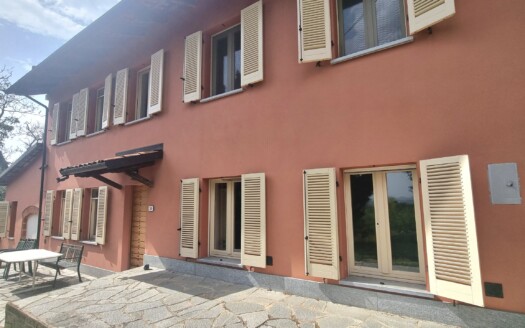
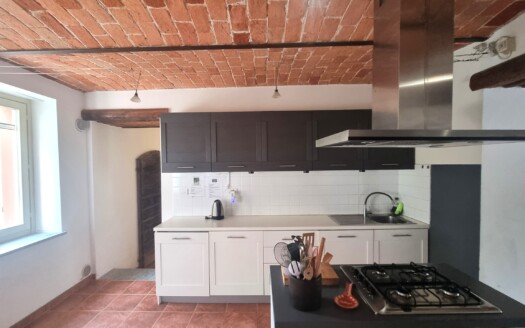
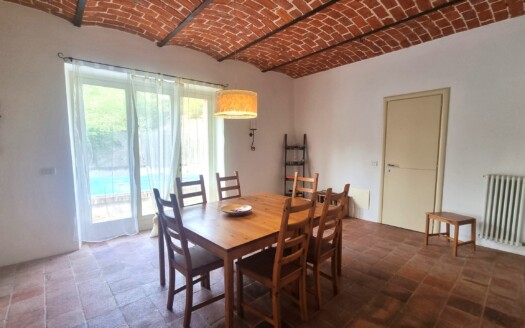
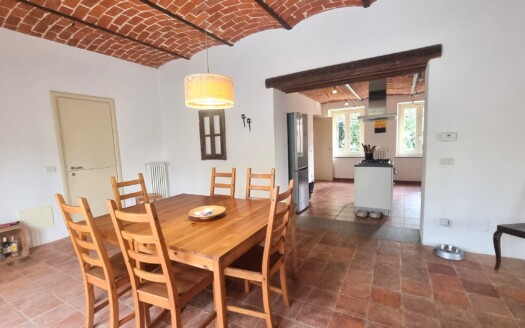
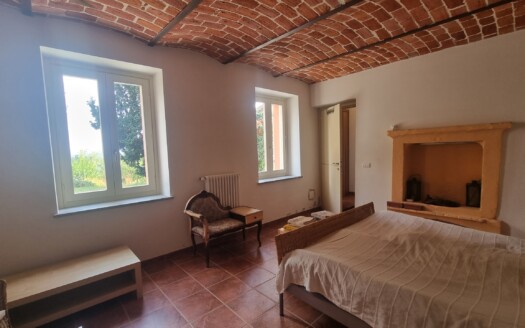
REF 613 Casa ristrutturata in posizione panoramica, con piscina
Incisa Scapaccino (AT)In bella posizione panoramica, in vendita ampia casa di campagna ristrutturata in tempi recentissimi, con impianti moderni, con giardino e piscina. Parte…