Airbnb Rental Income in Monferrato: Is It Really Worth It?
The question is a good one, and it deserves an honest answer rather than a promotional one. Can you generate meaningful rental income from an Airbnb property in Monferrato? Yes, in the right circumstances. Can every Monferrato property make enough from short-term rentals to justify the investment? Absolutely not. This guide looks at the numbers realistically — what properties earn, what they cost to operate, and what net return you can expect.
The figures in this guide are based on VerdeAbitare’s knowledge of the Monferrato rental market and on conversations with property owners who have been operating holiday rentals in the territory for several years. They are realistic estimates, not promotional projections.
The Monferrato Rental Market: An Overview
The Monferrato is a genuinely appealing destination for international visitors — the UNESCO vineyard landscape, the wine trails, the truffle season, the proximity to Turin and the Langhe. Demand for quality holiday rental accommodation has grown steadily over the past decade and continues to grow. However, the market is seasonal: peak demand falls in July and August, during the harvest in September and October, and during the truffle season in October and November. Outside these periods, occupancy rates drop significantly.
This seasonality means that a Monferrato property owner who maximises rental income will be affectively unable to use their property during the most attractive periods of the year. If personal use during harvest and truffle season is important to you — and it often is — you need to factor the lost rental income from blocking those weeks into your financial calculations.
What the Right Property Earns: Realistic Figures
A well-positioned farmhouse sleeping 6-8 guests, with pool and panoramic views, managed professionally and with quality photography and descriptions, can achieve the following in the Monferrato Astigiano in 2026. Peak season weekly rates (July-August): €2,000-€3,500. Shoulder season (May-June, September-October): €1,500-€2,500 per week. Truffle season (October-November): €2,000-€3,500 per week. Annual revenue for a property achieving 20-24 peak and shoulder weeks: €35,000-€65,000 gross.
What It Costs to Operate a Rental Property
Gross revenue is only part of the picture. A Monferrato holiday rental property has significant operating costs that reduce net income. Cleaning and laundry: €60-€120 per turnover, depending on property size. Guest welcome supplies (toiletries, kitchen basics, welcome provisions): €30-€60 per booking. Pool maintenance: €2,000-€4,000 per year. Property maintenance: budget 1-2% of property value annually for ongoing repairs and refreshing.
If you use a property manager — which is advisable for owners who do not live near the property — their fee is typically 20-25% of gross revenue. Italian tax (cedolare secca) is 21% of gross rental income for the first property let on a short-term basis (26% for additional properties from 2024). Platform fees (Airbnb takes approximately 3% from the host). On a property generating €50,000 gross annual revenue with a property manager, the net income after all costs and tax is typically €18,000-€28,000.
The Return on Investment: What Does This Mean for Capital?
On a total investment (purchase price plus renovation plus furnishing) of €400,000, a net annual income of €20,000-€28,000 represents a net yield of 5-7%. This is a respectable return by Italian property standards and by comparison with other asset classes in the current environment. However, it is important to remember that this assumes the property is optimised for rental — well positioned, with pool, well renovated and professionally managed.
Properties that are not optimised — no pool, poor position, average renovation, DIY management — earn significantly less. A property without a pool in a less sought-after position might generate €15,000-€25,000 gross annually, producing a net yield of 2-4% after costs — still positive but less compelling as a pure investment case.
The Pool: Non-Negotiable for Serious Rental Income
The data from Monferrato rental properties is consistent on this point: a pool increases summer revenue by 40-70% compared to equivalent properties without one. In a market where July and August are the peak income weeks, the pool is not a luxury — it is a commercial necessity for properties aiming to maximise rental income. If the property you are considering does not have a pool and the local planning rules permit construction of one (which must be verified, given UNESCO landscape protection), budgeting for a pool as part of your investment is almost always financially justified.
The Photography Factor: Often Underestimated
Professional photography is the single highest-ROI investment a Monferrato property owner can make for their rental business. The difference in bookings and rates between a listing with professional photography and one with smartphone photos is dramatic and well-documented by the platforms themselves. A professional photography session for a Monferrato farmhouse costs €200-€500 and can increase annual revenue by €5,000-€15,000.
Beyond photography, the written description of the property — in English, targeting the international audience that generates the highest rates in Monferrato — is critical. The description should emphasise the unique features of the location: the vineyard views, the proximity to wine estates, the truffle season experience, the Piedmontese culinary culture. Generic descriptions of generic features produce average results.
The Regulatory Framework in 2026
Operating a short-term rental property in Piedmont in 2026 requires compliance with several regulatory requirements. Hosts must obtain a Regional Identification Code (CIR — Codice Identificativo Regionale) and display it on all listings. Guest data must be submitted to the police database (Alloggiati Web) within 24 hours of arrival. Tourist tax (tassa di soggiorno) must be collected and remitted to the commune where applicable.
The rental income must be declared on an annual Italian tax return. Platforms including Airbnb apply a 21% withholding tax on payments to Italian hosts and transmit data to the Italian tax authority — so undeclaring rental income is both illegal and increasingly difficult to sustain. Non-resident owners should consult a tax advisor regarding their obligations in both Italy and their country of residence.
The Bottom Line: Honest Advice
Airbnb rental income in Monferrato can be a genuinely worthwhile financial component of a property investment — but it is not a passive income stream. It requires active management (or the cost of a professional manager), investment in presentation, and realistic expectations about seasonality and occupancy.
The best Monferrato rental investments combine a beautiful property (pool, views, quality renovation) with professional management and strong online presentation. If you are prepared to invest in all three, the financial returns are solid. If you are looking for a low-effort income stream from a modestly positioned property, the returns will be modest. VerdeAbitare is happy to give you an honest assessment of any specific property’s rental potential.
Read also
→ Buying Property in Monferrato: Complete Guide
→ Farmhouses for Sale in Monferrato
→ Monferrato Property Market 2026
→ Renovating a Farmhouse in Piedmont: Real Costs
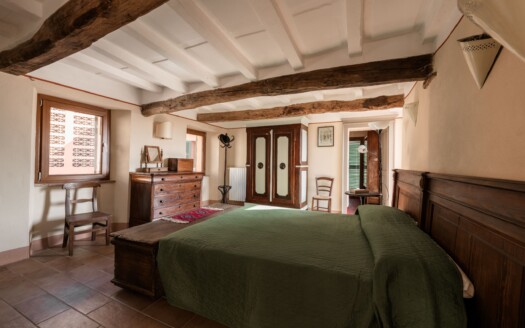
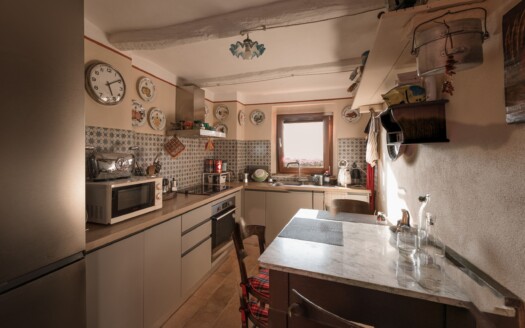
REF 621 Eccezionale proprietà in posizione strepitosa
Nizza MonferratoNel centro storico di una nota località a pochi km da NIzza Monferrato, in vendita favolosa proprietà composta da due abitazioni distinte,…
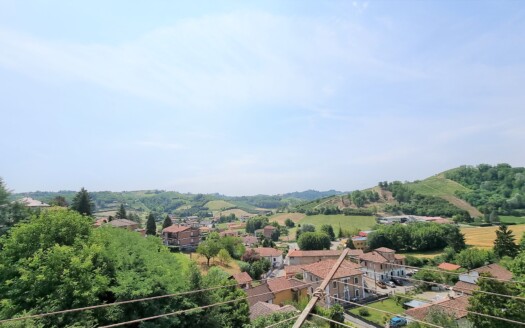
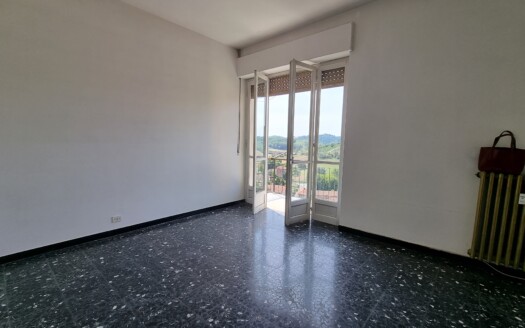
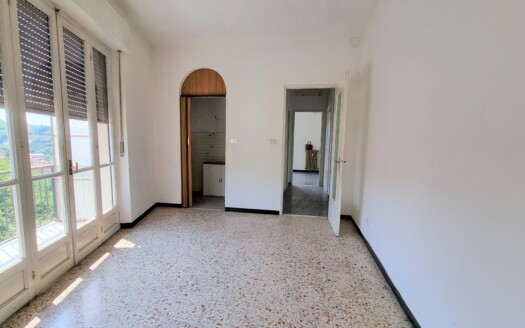
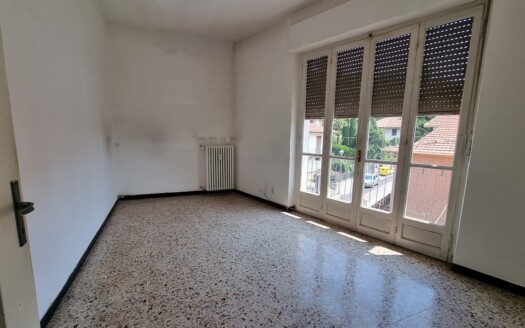
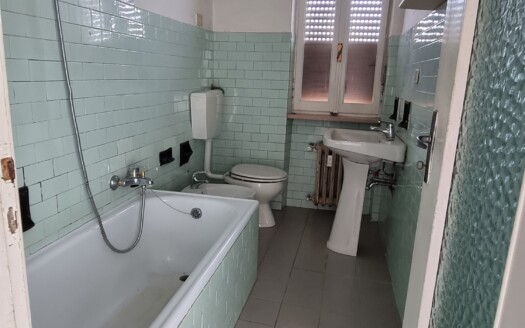
Appartamento panoramico con balconi e garage
MOMBERCELLIAppartamento al piano primo di piccola palazzina vicina al centro paese, con due balconi panoramicissimi. Ingresso, camera, cucinino e tinello, servizi, altra…
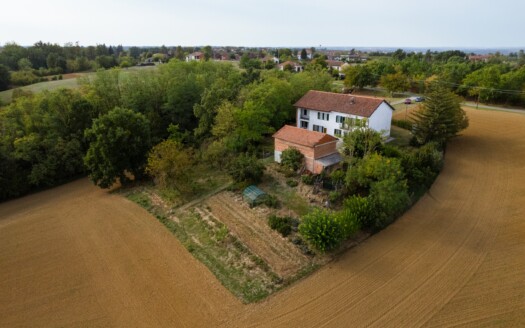
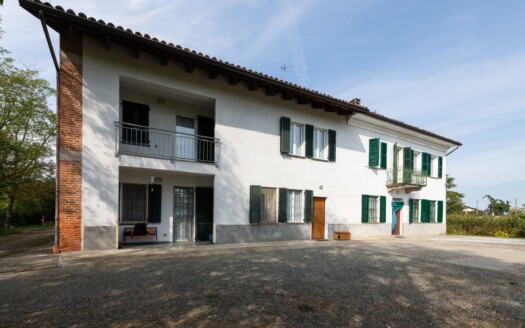
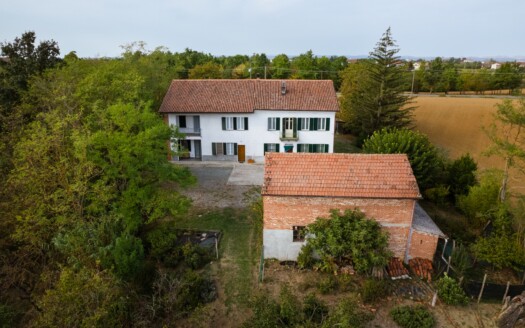
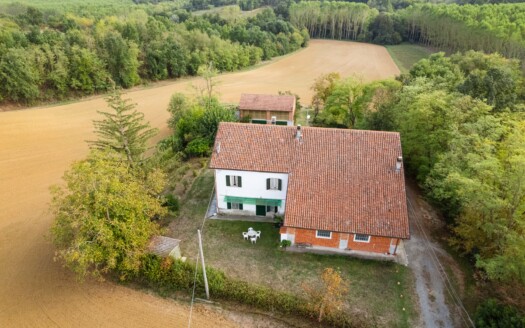
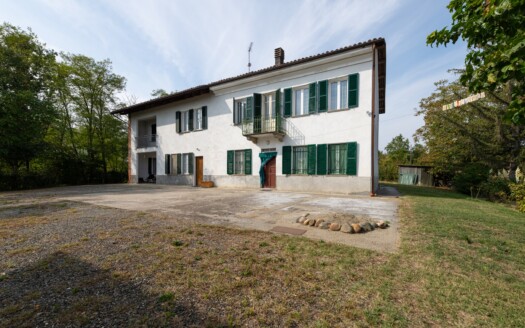
REF 622 Casale piemontese con vasto terreno
Masio (AL)In vendita ampio casale piemontese, composto da due unità adiacenti, immersi in oltre tre ettari di terreni di proprietà, in gran parte…
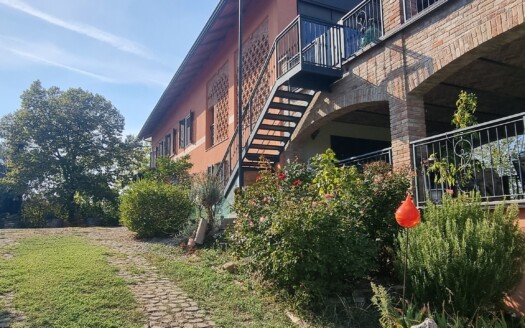
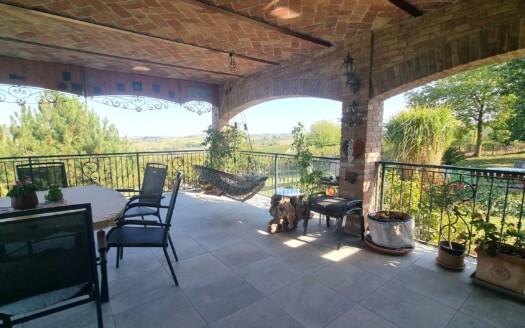
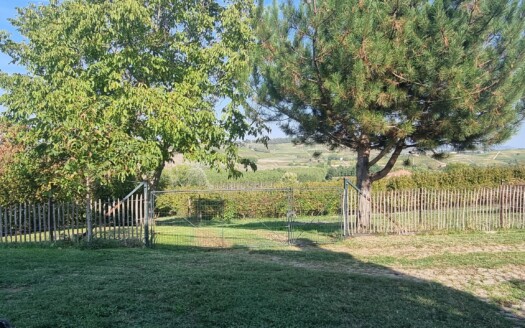
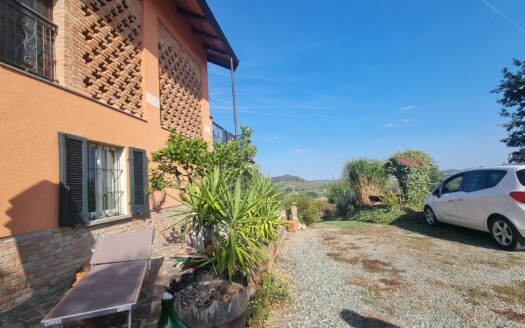
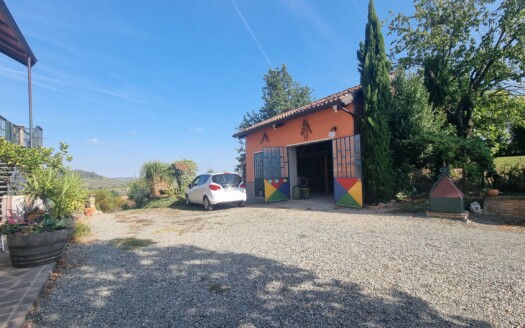
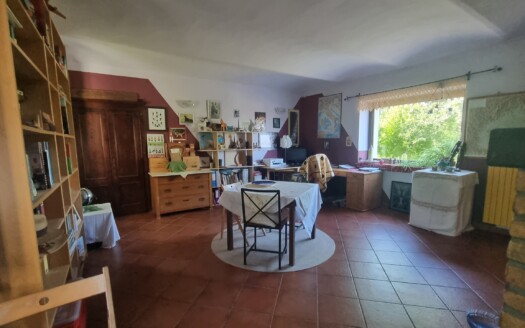
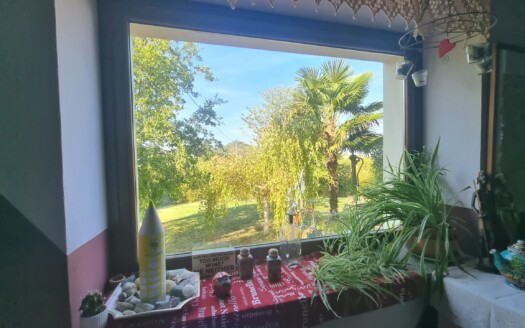
REF 620 Fantastico casale ristrutturato con vigneto
Costigliole d'Asti (AT)In posizione panoramicissima, ed attorniato da oltre 8000 m2 di vigneto e noccioleto di proprietà, è in vendita un favoloso casale ristrutturato…
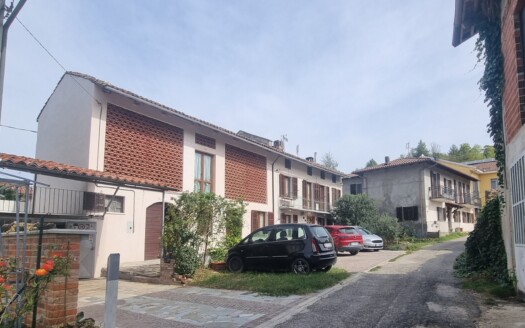
REF 619 Casa in ottime condizioni a poca distanza dal paese
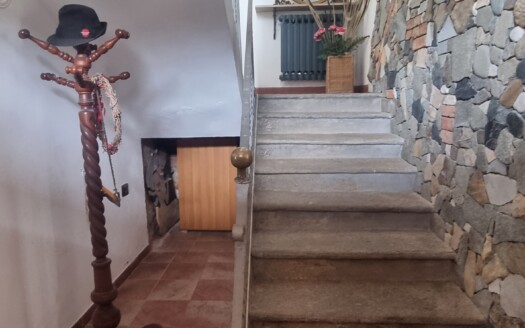
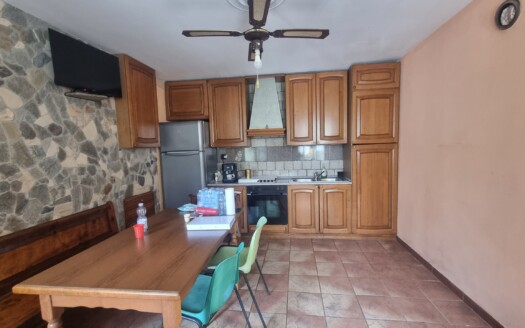
Mombercelli (AT)Casa ristrutturata recentemente, abitabile subito, in ottime condizioni generali, adatta anche come prima casa. Al piano terreno ingresso su vano scala, cucina,…

REF 613 Casa ristrutturata in posizione panoramica, con piscina
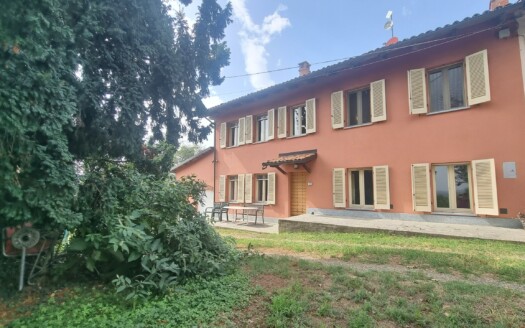
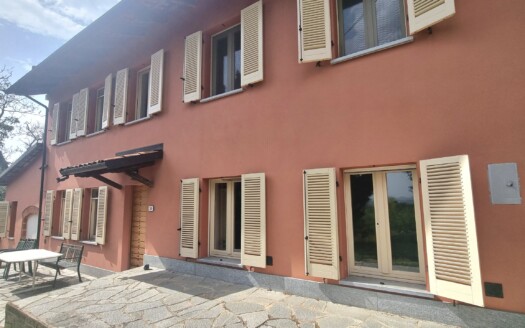
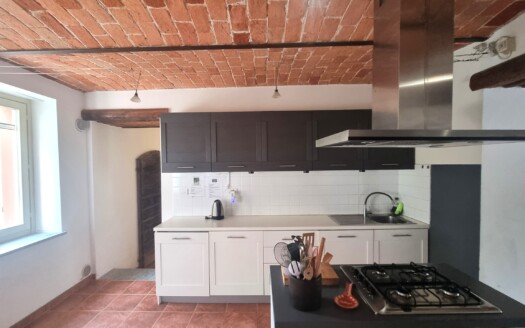
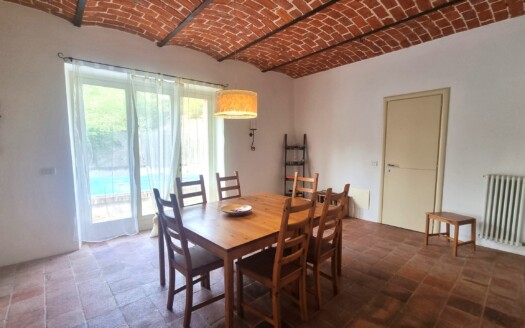
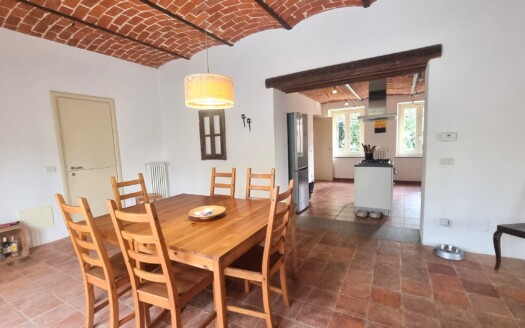
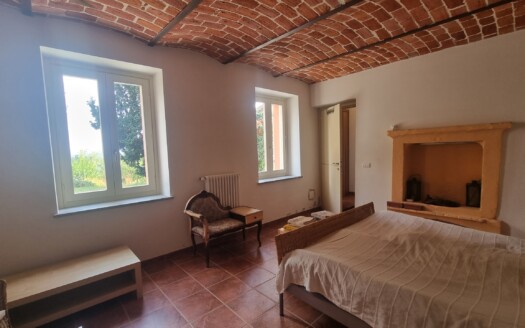
Incisa Scapaccino (AT)In bella posizione panoramica, in vendita ampia casa di campagna ristrutturata in tempi recentissimi, con impianti moderni, con giardino e piscina. Parte…