Buying a Vineyard in Monferrato: What You Need to Know
Buying a Vineyard in Monferrato: What You Really Need to Know
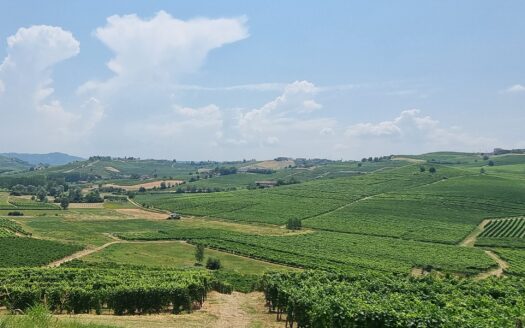
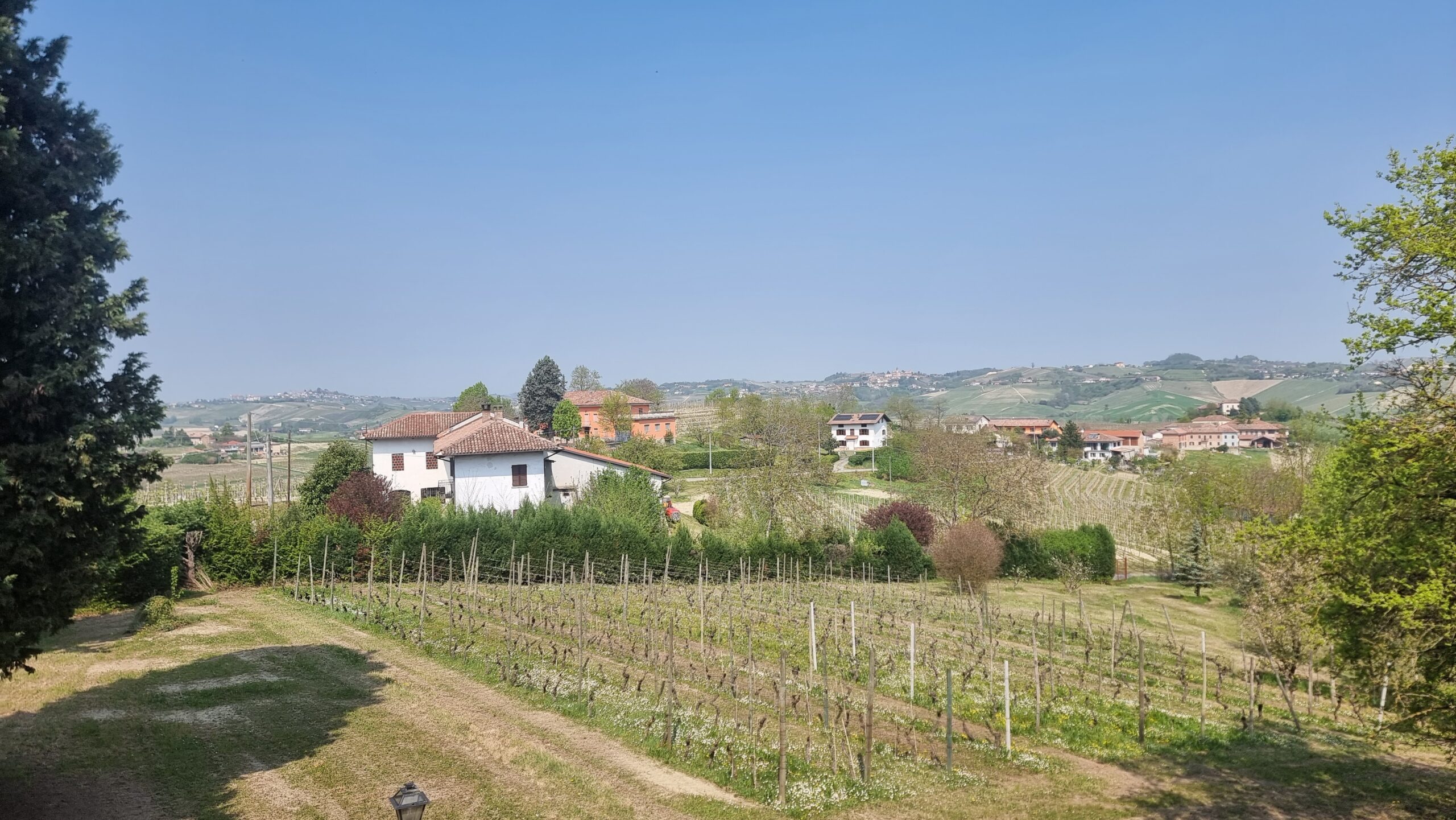
The dream of owning a vineyard in Monferrato is one that many international buyers arrive with — the image of walking among your own vines in the morning light, producing your own Barbera, sharing bottles with friends from a cellar that carries your name. It is a genuinely achievable dream in Monferrato, where vineyard land is available at prices that make small-scale ownership realistic for buyers who would never afford a vineyard in Bordeaux or Burgundy. But like all dreams, it benefits from some honest preparation.
This guide covers the practical side of buying vineyard land in Monferrato — prices, appellations, tenant rights, agronomic due diligence and what managing a vineyard actually involves.
Vineyard Prices in Monferrato in 2026
The price of vineyard land in Monferrato varies significantly depending on the appellation, the age of the vines, the exposition and the production history. Generic agricultural land without vine planting rights: €8,000-€15,000 per hectare. Vineyards in production outside DOC/DOCG appellations: €15,000-€25,000 per hectare. Barbera d’Asti DOCG in good condition: €40,000-€65,000 per hectare. Moscato d’Asti DOCG in the classic production zone (Canelli, Santo Stefano Belbo): €70,000-€150,000 per hectare. Nizza DOCG (the most prestigious Barbera subzone): €50,000-€80,000 per hectare.
These prices make the ownership of a small vineyard — 0.5 to 1 hectare — achievable for buyers with moderate budgets, especially when combined with the purchase of a residential property. A half-hectare of Barbera d’Asti DOCG in good condition costs approximately €20,000-€32,000 — a relatively modest addition to the overall property budget that dramatically changes the character and narrative of the property.
The Tenant Right of Pre-emption: Critical Due Diligence
The single most important legal issue in purchasing vineyard land in Monferrato is the right of pre-emption (prelazione agraria) held by agricultural tenants. Italian law gives any farmer who has rented a piece of agricultural land the right to buy it when the owner decides to sell — at the same price offered to any other buyer. If a vendor sells land to a third party without notifying the tenant and giving them 30 days to exercise their right, the tenant can claim the purchase within one year, effectively nullifying the sale. This is not a theoretical risk — it has happened. Your notary must verify the tenancy situation before the final deed is signed.
Managing a Vineyard Without Winemaking Experience
Most international buyers who acquire a vineyard in Monferrato do not have winemaking experience — and this is entirely manageable. The options are: engaging a local viticulturalist (viticoltore) to manage the vineyard through the year in exchange for a fee or a share of the harvest; delivering the grapes to a local cooperative (cantina cooperativa) which vinifies them professionally and pays you the grape price; or, for buyers who want to become more involved over time, gradually learning viticulture alongside a local professional.
The cooperative option is the simplest for new owners. The main cooperatives of the Monferrato Astigiano — Cantina di Vinchio e Vaglio Serra, Cantina Sociale di Canelli and others — accept new members and provide a professional home for your grapes. The cooperative pays you a price per quintal of grapes delivered, typically €40-€80 per quintal for Barbera d’Asti DOCG depending on quality. A half-hectare vineyard in normal production delivers approximately 50-70 quintals per year — an annual income of €2,000-€5,000 from grape sales.
The Agronomic Due Diligence: What to Check
Before purchasing vineyard land, an agronomic survey by a qualified local agronomist is essential. The key points to assess are: the phytosanitary condition of the vines (presence of diseases such as flavescenza dorata — golden flavescence, a serious viral disease spread by a leafhopper insect — or esca, a wood disease complex that causes premature vine death), the age and productive capacity of the vines, the replanting rights (diritti di reimpianto) associated with the parcel, and the soil and exposition characteristics that will determine the quality potential of the fruit.
Replanting rights are particularly important — they are a valuable asset that travels with the vineyard and allows the owner to replant the vineyard when the vines reach the end of their productive life. Without replanting rights, an old vineyard that needs replacing cannot be restored to DOC/DOCG production. Verify that replanting rights are included in the purchase before proceeding.
Making Your Own Wine: The Next Step
For buyers who want to take the vineyard dream further — producing and bottling their own wine under their own label — the requirements increase significantly. A winery registration (cantina) with the relevant authorities is required for any commercial production. The cellar must meet hygiene standards for winemaking. An oenologist (enologo) is strongly recommended to guide the vinification process. Bottling, labelling and marketing require additional infrastructure and expertise. This is a serious business step — not something to underestimate. But for buyers who commit to it, producing your own Barbera d’Asti from your own vines is one of the most satisfying experiences the Monferrato can offer.
Vineyard as Lifestyle vs Vineyard as Investment
The financial return from a small Monferrato vineyard — grape income from cooperative deliveries, or modest wine production — is unlikely to represent a significant financial investment return in isolation. The real value of vineyard ownership in Monferrato is lifestyle: the connection to the agricultural rhythm of the territory, the narrative it gives your property, the experience of participating in the harvest, the pleasure of sharing your own wine with guests.
Buyers who approach vineyard ownership as a pure financial investment typically find the returns insufficient to justify the investment. Buyers who approach it as an enrichment of their Monferrato life — as part of a larger decision about how they want to live — almost universally find it one of the most rewarding aspects of their time in the territory.
Finding Vineyard Land in Monferrato
Vineyard parcels in Monferrato are not always straightforward to find through standard property searches — many transactions happen through local networks, word of mouth between farmers and through agricultural land brokers who operate differently from residential estate agencies. VerdeAbitare can identify vineyard parcels available in the Monferrato Astigiano, particularly when they form part of a larger rural property transaction.
For buyers specifically interested in acquiring vineyard alongside a residential property, telling us this clearly at the beginning of your search allows us to focus on properties where vineyard is available or where adjacent vineyard parcels can be purchased separately.
The Vineyard Dream in Monferrato: Achievable with the Right Approach
Owning a vineyard in Monferrato is more achievable than most buyers imagine when they first consider it — and more rewarding than the cautious financial analysis might suggest. The combination of beautiful landscape, world-class wine culture, accessible land prices and a cooperative structure that makes viticulture manageable without expertise creates conditions in which the vineyard dream can become a genuine, sustainable reality.
VerdeAbitare has helped several international buyers integrate vineyard ownership into their Monferrato property project — and we would be happy to guide you through the specific considerations for your situation.
Read also
→ Farmhouses for Sale in Monferrato
→ Buying in the Barbera Wine Region
→ The Italian Property Purchase Process Explained
→ A Wine Lover’s Guide to Monferrato